
Let the incident lead establish access
OSHA identifies electrical, utility and contaminated-water hazards after flooding. Keep staff out of unassessed areas and leave utility restoration and other specialist work to appropriately trained people. Use information already obtained safely for the first rental discussion.
Work backward from the first meal
Name the people served, preparation start, service window and staff available. Identify cooking, washing, cold storage and receiving duties that cannot continue, including tasks outside the visibly affected room.
A closer look
Inside a temporary kitchen
Look at the cooking, preparation and washing areas, then compare them with your menu and the proposed configuration. Select a photograph to see the full view.
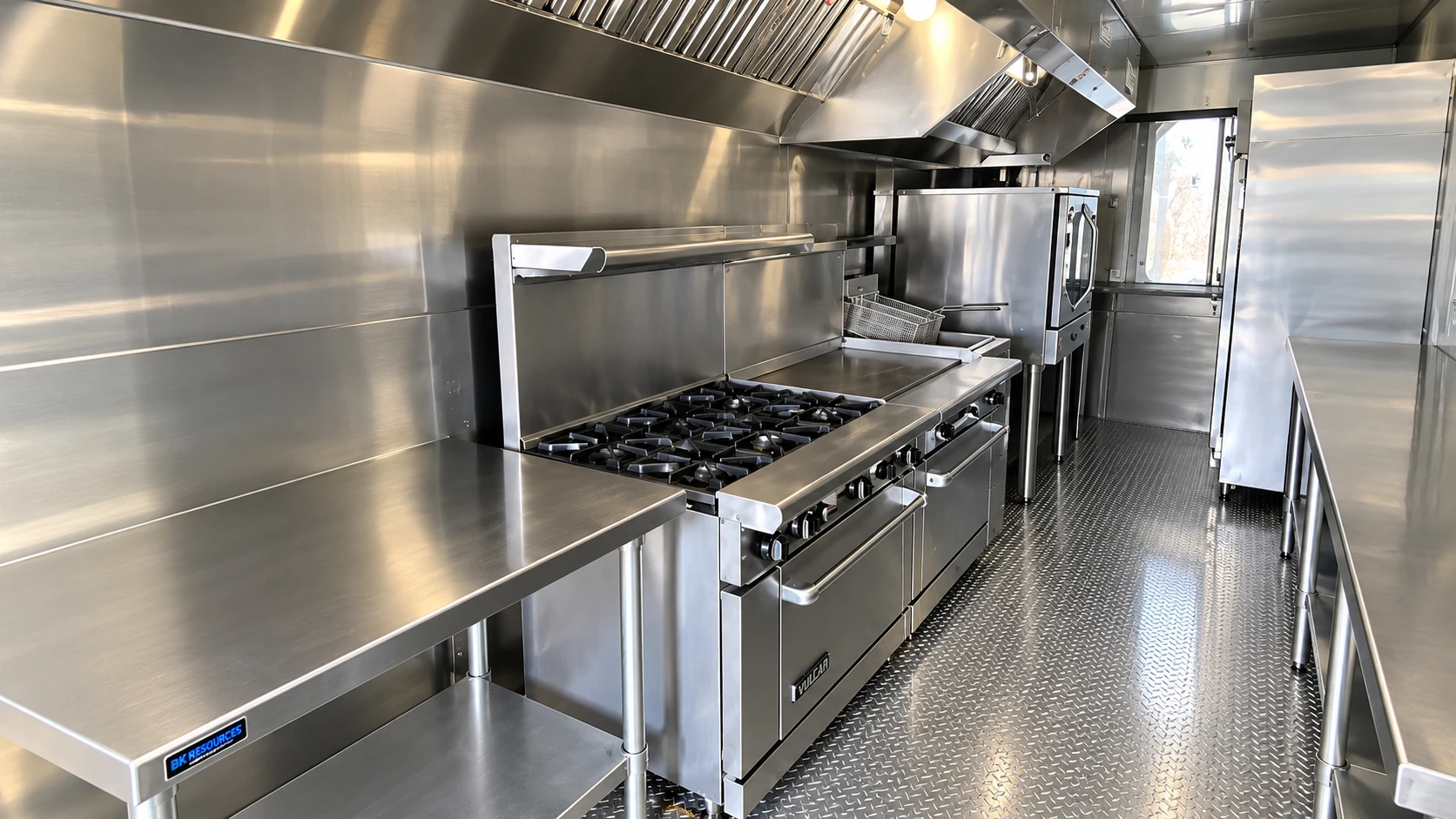
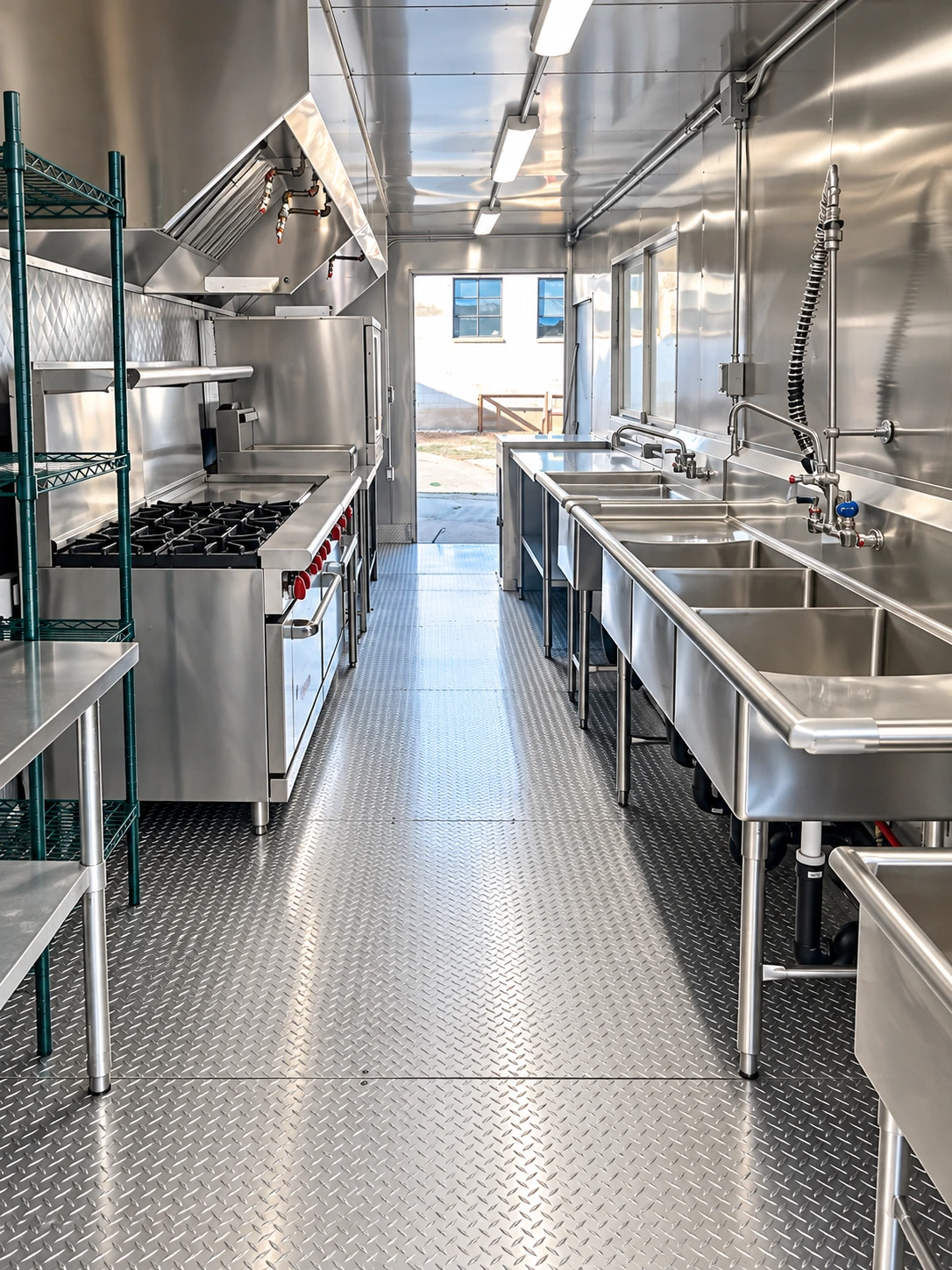
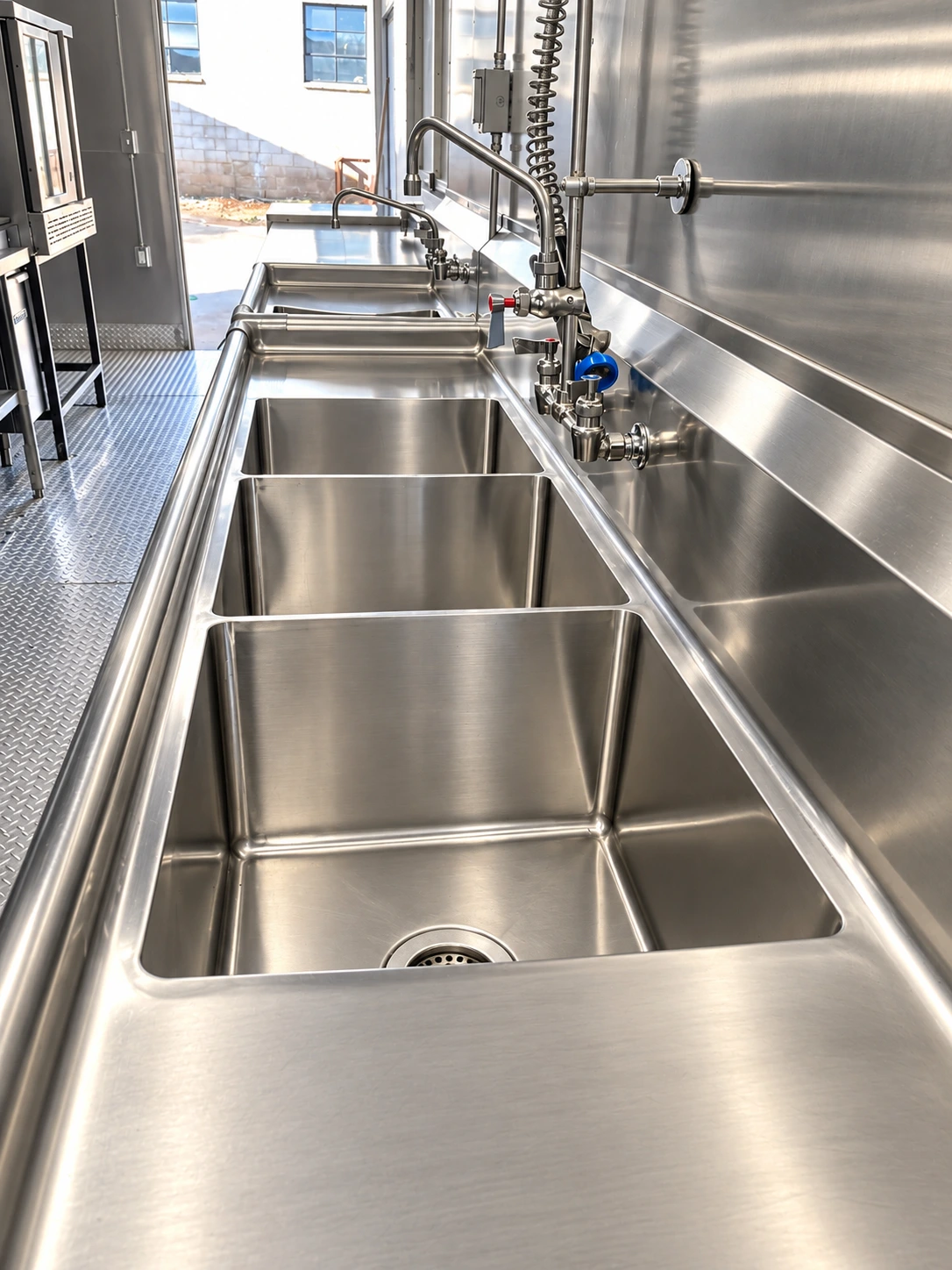
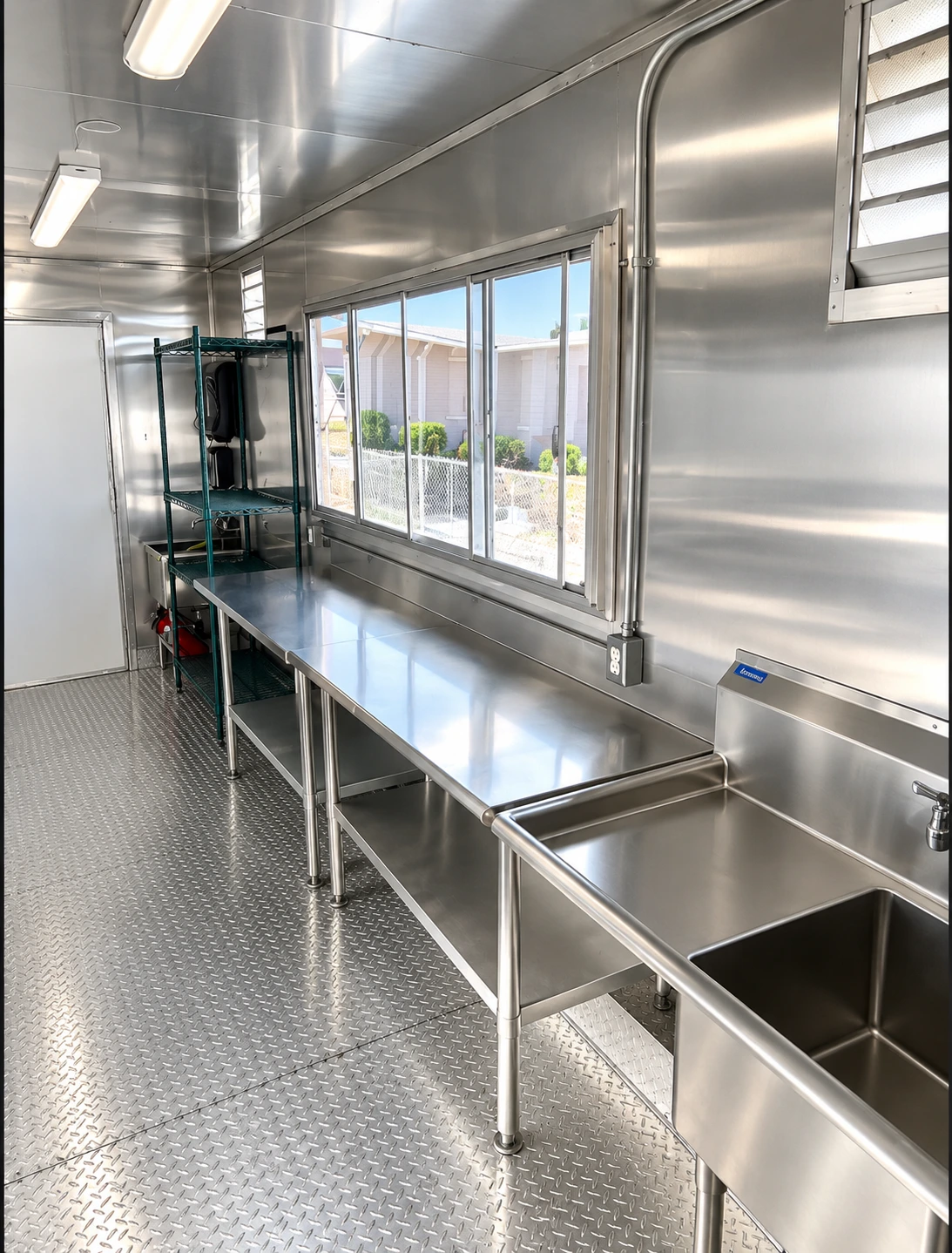
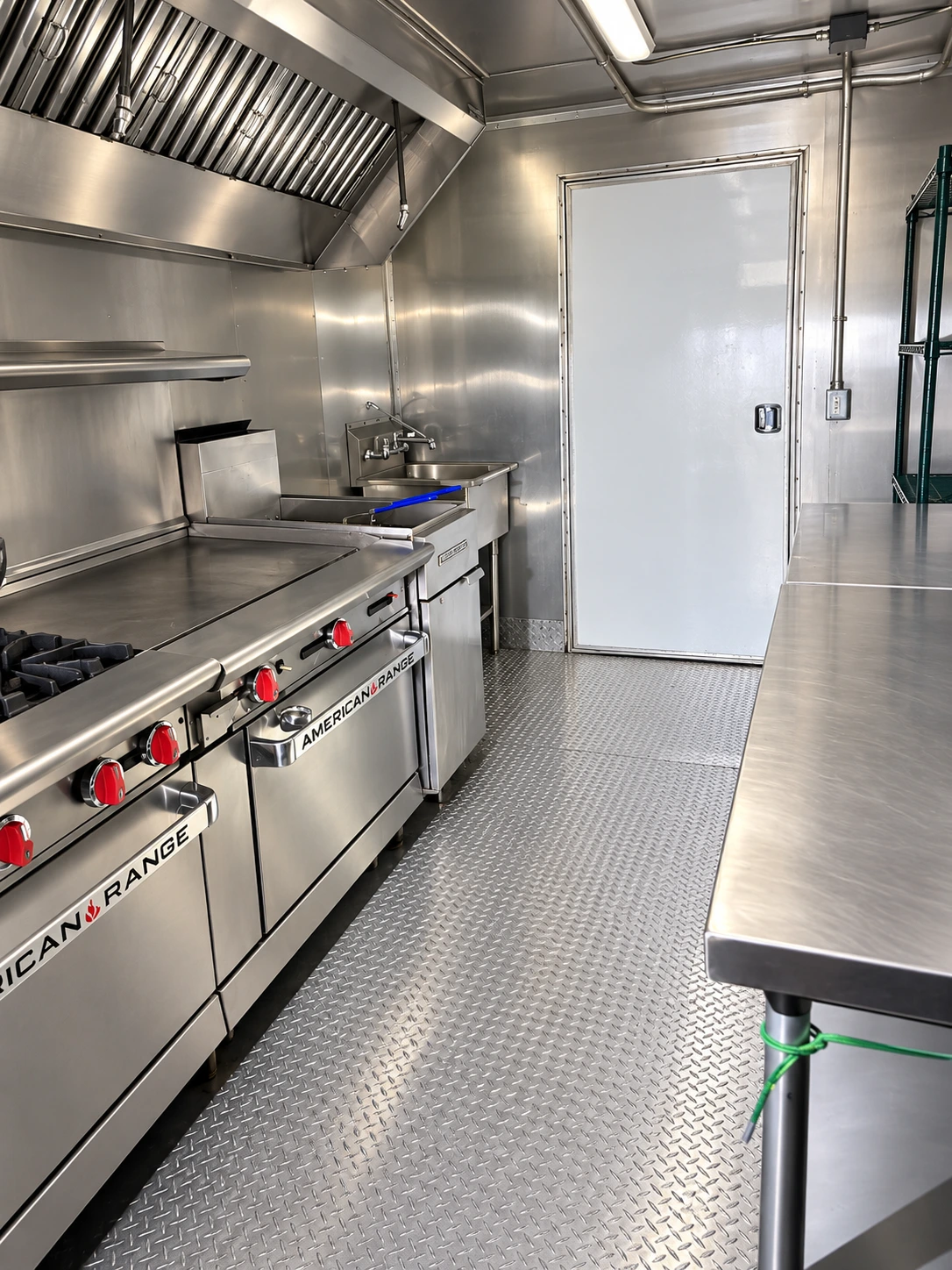
Photographs show shared configurations. Confirm the assigned equipment and layout with your quote.
Discuss the equipment gap
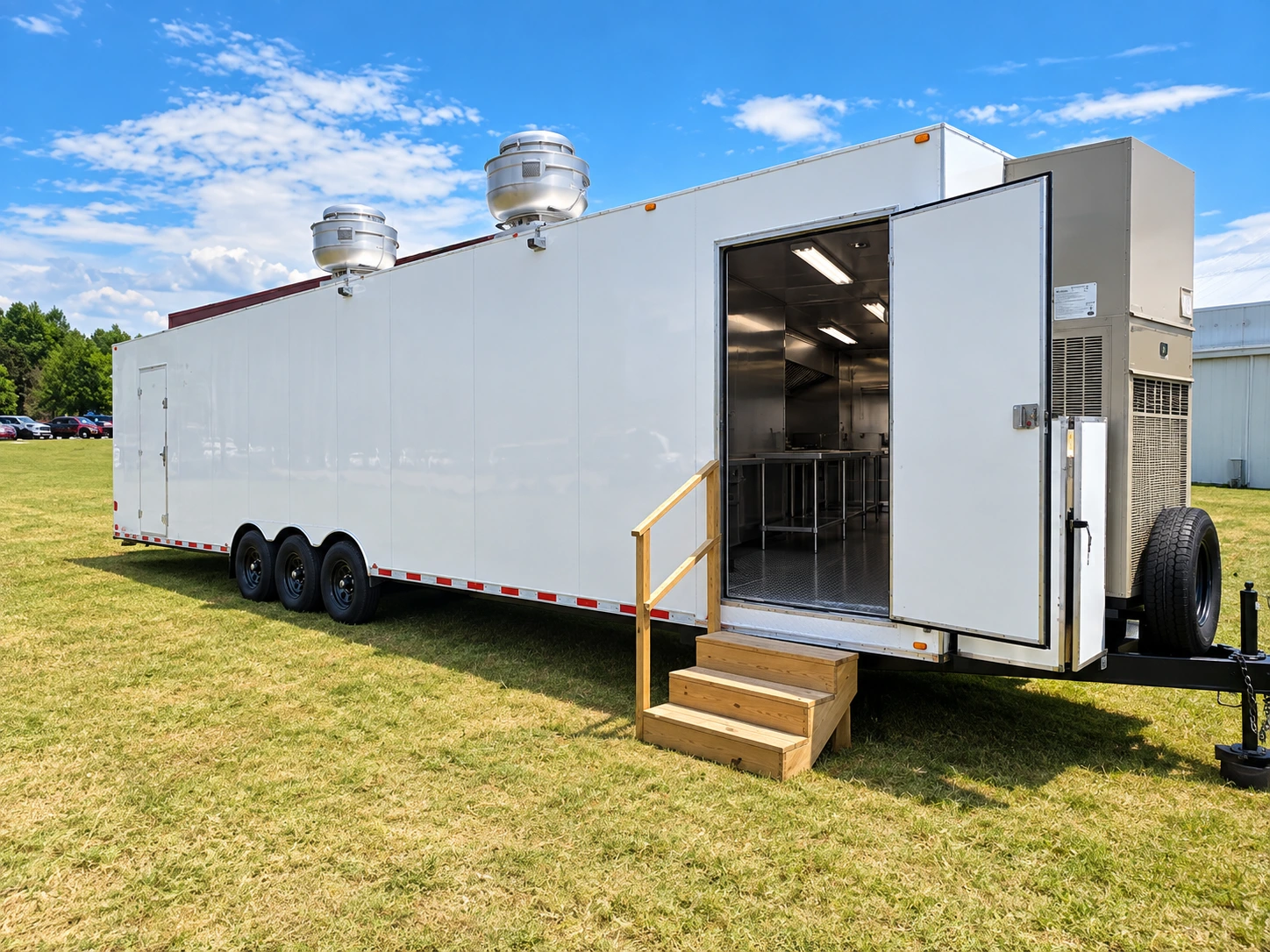
Review commercial kitchen trailer rentals for displaced preparation and cooking. Describe separate utensil or stock needs when discussing commercial dishwashing trailer rentals and emergency refrigeration rentals so the proposed arrangement supports the whole priority service.
Before agreeing a rental or lease
Compare the complete period of use.
Your quote should identify the equipment, billing period, delivery, connections, servicing, cleaning and collection in one written scope. For phased repairs, check extension notice and the charges that continue until collection. Keep permanent repairs separate from the temporary operation, and confirm who supplies each connection. An inquiry starts a discussion; availability, the assigned unit and final terms need confirmation in our written proposal.
Why choose Water Damage Kitchen
Start with the first meal and the actual operating gap. These equipment discussions keep the rental configuration connected to known restrictions, site responsibilities and required dates.
Deployment coordination
Equipment receiving reviewed with the authorized site contact and usable access.
24/7 emergency inquiries
Staffed 24/7 telephone contact for the urgent rental discussion.
End-to-end project support
Carry initial selection and setup decisions through meal service, support and equipment return.
Flexible rental terms
Firm and provisional dates identified before the rental term is agreed.
Heavy-duty commercial equipment
Cooking, washing and refrigeration options for the actual functions interrupted.
Experienced logistics coordination
Receiving, utility questions and operator handoffs included before first service.
Clear equipment details and a staffed phone
Compare specifications, rental price bands and configuration references before requesting a quote. Our project inquiry phone is staffed 24/7, and your proposal confirms the assigned equipment and project arrangements.
Documented project context
Public examples for this decision
1. Past emergencies and operating dependencies
Bellevue in New York City lost essential pumps and elevators during Sandy in October 2012. The first kitchen discussion should identify access control and the failed services, rather than assuming a room above the floodwater can operate normally.
2. Construction and the occupied site
UCSF's 2026 hospital work in San Francisco takes place around existing facilities. For a new interruption, establish who controls the affected area and continuing operations before equipment is selected or staff are directed to another preparation location.
A December 2023 award at Birmingham VA covers main-kitchen renovation. For a comparable shutdown, identify which production stations and shared services close together before choosing the temporary cooking line; the building-work package and equipment rental need separate scopes. Public project record.
A July 2019 Miami award combined National Hurricane Center kitchen renovation with bathroom work. For a comparable occupied facility, identify the services affected by the wider building package before confirming the temporary kitchen position and required connections. Public project record.
3. Renovation and continuing food programs
The Southwest YMCA in Denver completed its renovation in 2026; its phased plan intended to continue pantry service. Your first operating brief should likewise identify which receiving, storage and distribution functions remain usable, without presuming cooking must be the first replacement.
A September 2011 VA award in Chicago covered replacing the roof over a third-floor kitchen. Overhead work can require a temporary meal arrangement even when cooking appliances remain unchanged. Show the protected work boundary and food-transfer path before selecting equipment. Public project record.
A September 2018 Houston ceiling-replacement contract included dust containment and different finishes for kitchen and dining areas. A comparable plan should separate preparation, service and the construction boundary; moving appliances alone does not define the temporary meal route. Public project record.
Boston’s October 2026 schools address reports an improved central kitchen supporting scratch-cooked breakfast and lunch. A centralized meal plan needs production, packing, transport and serving points defined separately; replacement equipment at one address should fit its actual part in that system. Public project record.
4. Verify emergency and project access
Ask the emergency authority for its current published staging-to-hub instructions if public logistics are involved. For the project inquiry, gather the actual destination, receiving contact and known access limits; do not enter unsafe space to obtain them.
5. Define the rental cost scope
A historical Illinois filing records $227,593.52 for Ludeman temporary kitchen trailers. It is not a starting price for a new interruption. Begin with the unavailable tasks and expected work stages, then request the actual equipment and installation scope.
Source records: Hospital flood assessment · University construction update · Community renovation record · Historical trailer package, item 170.
Kitchen project inquiries · 24/7
An interrupted kitchen needs a clear next step.
Tell us the facility location, which preparation or cooking tasks have stopped, the next meal period and your intended dates. Bring available assessment notes, site photographs and utility information so the discussion starts with the actual problem.
Project questions
Before you choose the next step
Should I enter the kitchen to prepare an inquiry?
Do not enter an unsafe or unassessed area for the inquiry. Use existing records and information from the authorized incident lead while qualified responders address hazards.
What should I tell the rental team first?
Give the actual location, first required meal, affected functions and known restrictions. Identify separate washing or refrigeration needs and the site contact who can resolve access questions.
Do I need every assessment answer before calling?
You can discuss the known operating gap while unresolved findings are identified. Keep provisional site and date assumptions explicit so equipment decisions can be reviewed as information changes.
Does cooking equipment solve the whole interruption?
Check washing, cold stock, utilities and the route to service separately. Those functions can remain unavailable even when a proposed cooking line fits the menu.
What should happen before the first meal?
Agree the actual equipment position, receiving, connections and checks, with named owners for setup and operation. Include stock and utensil handoffs in the changeover.
Tell us about your kitchen
Send a project inquiry
Share your location and kitchen questions. Fields marked * are required.
Read our Privacy Policy for how the form and its inquiry workflow use your information.
Prefer to talk? Call +1-800-245-5216.
Reference resources