

Bring the incident history
Share the original discovery record, photographs, maintenance history relevant to the suspected source, and any earlier work in the affected area. Ask the assessor to distinguish observed damage, test findings, and areas needing further access. A clear distinction makes later changes easier to understand.
Include the kitchen as a working system
Identify fixed equipment, service connections, storage, preparation surfaces, and adjoining rooms. Ask which items need assessment by an equipment technician or another trade. The building assessment and the food-service review may answer different questions, so keep both visible in the project file.
Inside the kitchen
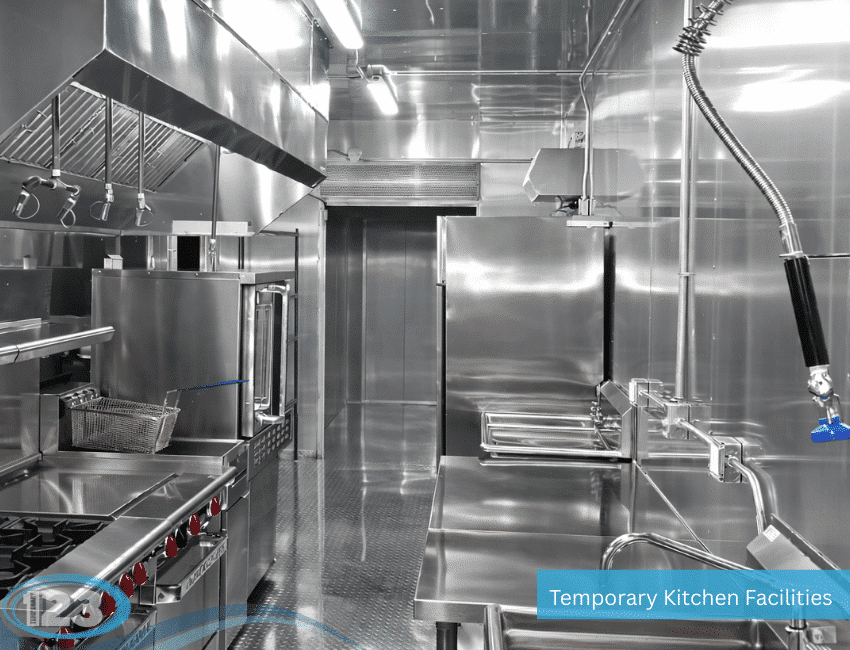
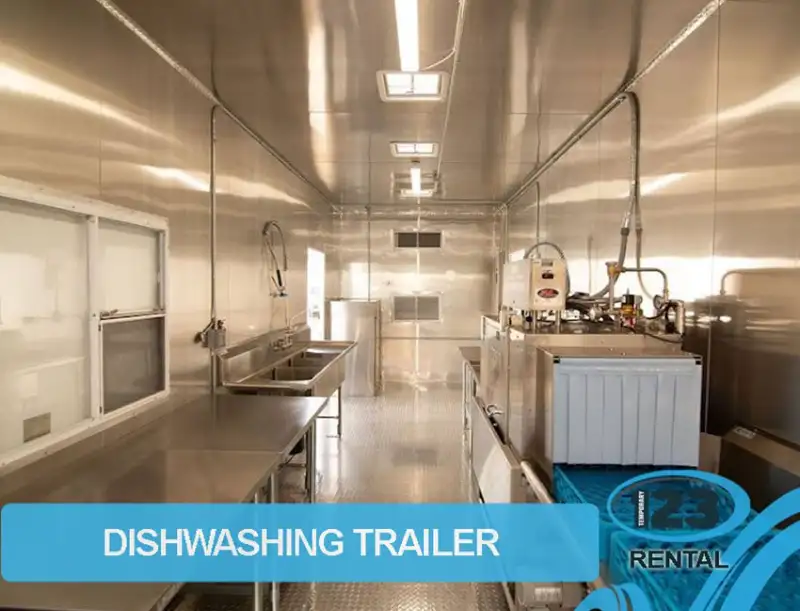
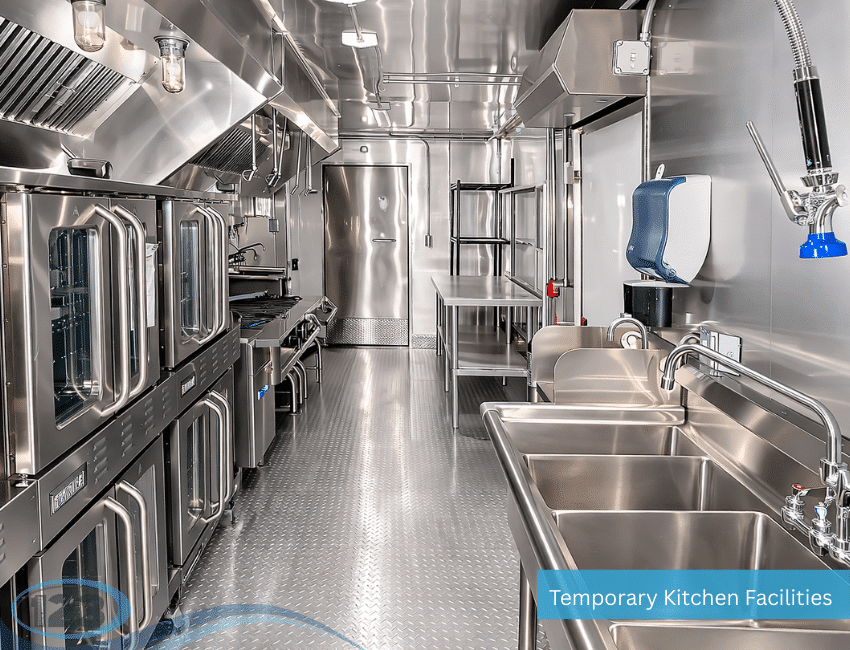
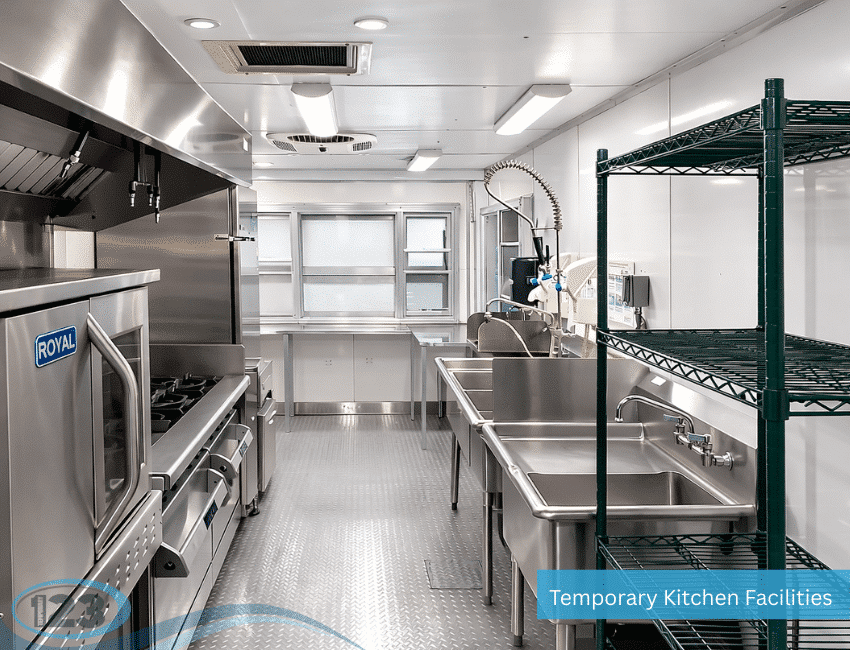
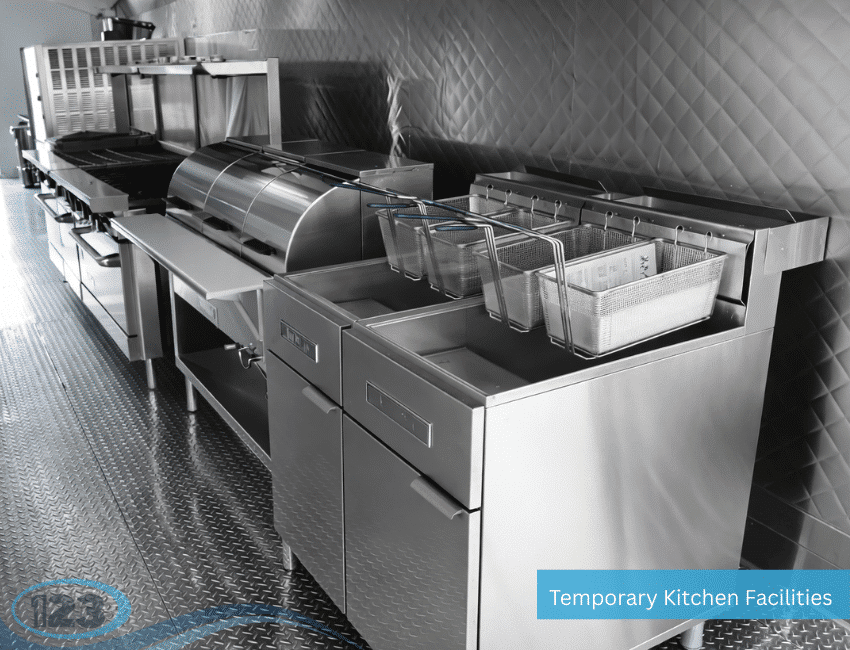
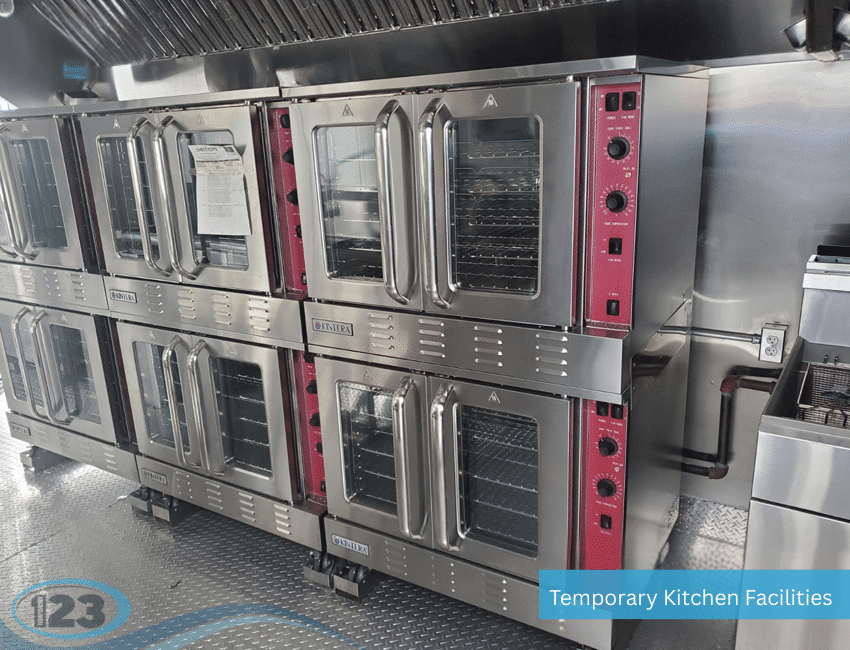
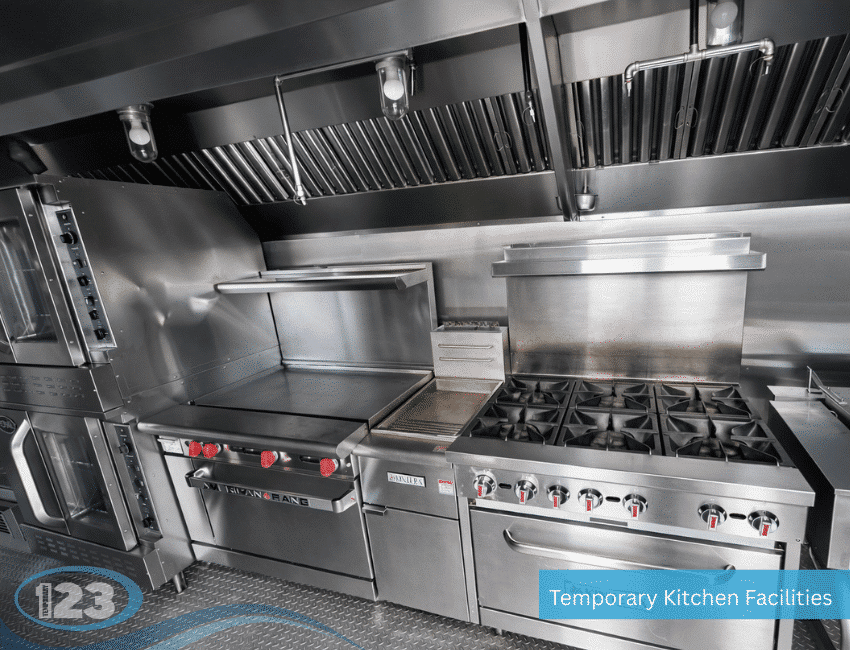
Kitchen layouts & equipment
Reference photographs for preparation, cooking, storage, and facility planning. Select a photo to view it in full.
Request findings that can guide work
Ask for a written description of the affected areas, recommended next steps, limitations of the inspection, and any conditions that require specialist review. Establish how additional findings will be communicated. The assessment should support the scope of work rather than becoming a vague assurance that everything has been checked.
Preparing a temporary kitchen lease brief
A temporary kitchen lease needs an operating brief as well as a period of use. List preparation, washing, storage, and staff access needs; ask the provider to explain the equipment and site requirements. Confirm charges and arrangements for extending or changing the agreement with that provider.
Reference resources