

Ask how the kitchen changes the project
Discuss production equipment, cleanable surfaces, storage, ventilation, and the separation of repair activity from any unaffected operations. A contractor should be able to explain which parts of the work they undertake and which need another specialist. Ask about experience with comparable facilities without assuming that a general building portfolio establishes experience in your type of kitchen.
Compare written scopes, not just totals
Check that quotations address the same affected spaces and materials. Ask how hidden damage, equipment issues, or changes requested after assessment will be handled. Establish who approves a variation and how it is documented. A lower total may reflect a different scope rather than a more efficient way of completing the same project.
- Named project contact and subcontractor responsibilities.
- Scope boundaries and exclusions.
- Evidence and records provided at handover.
- Process for changes and additional findings.
Inside the kitchen
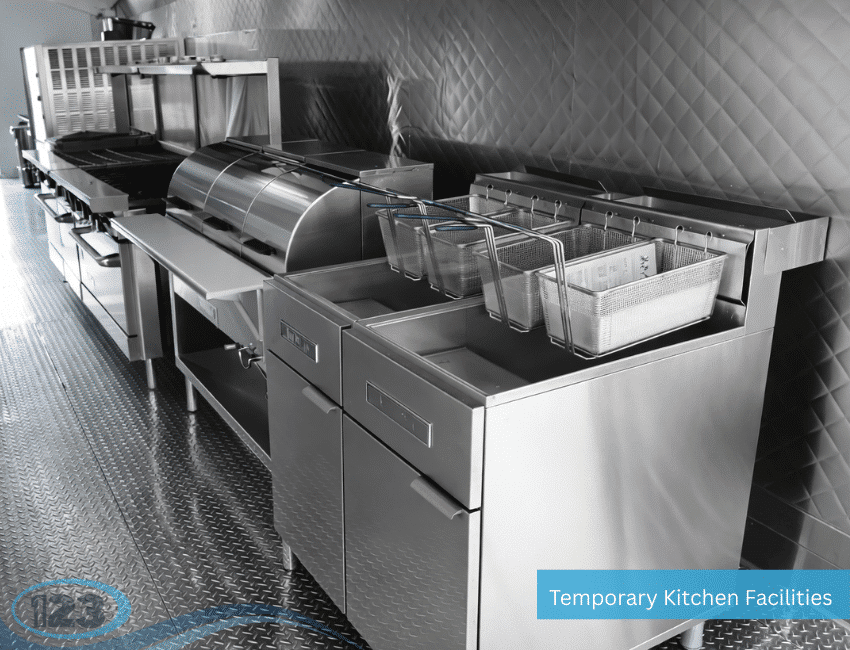
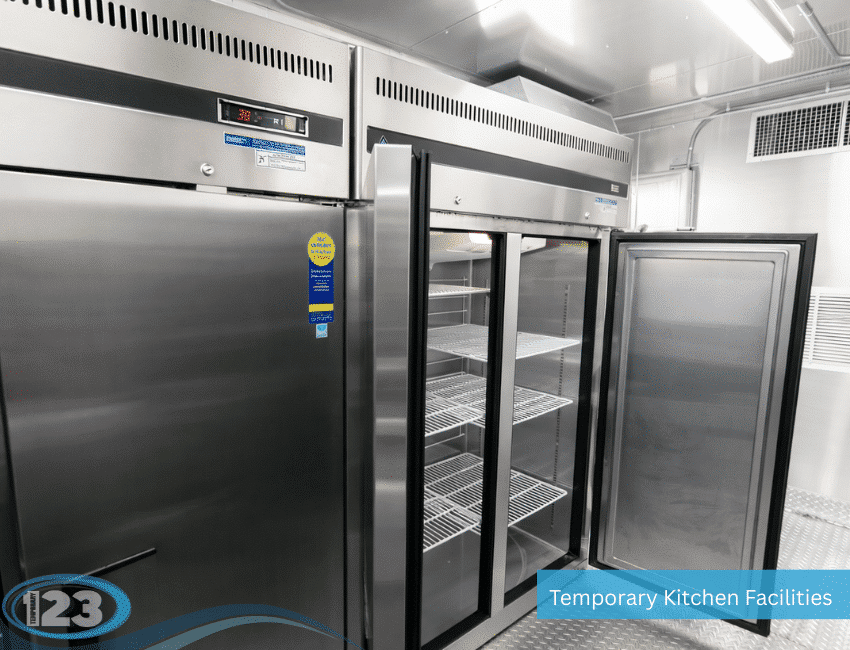
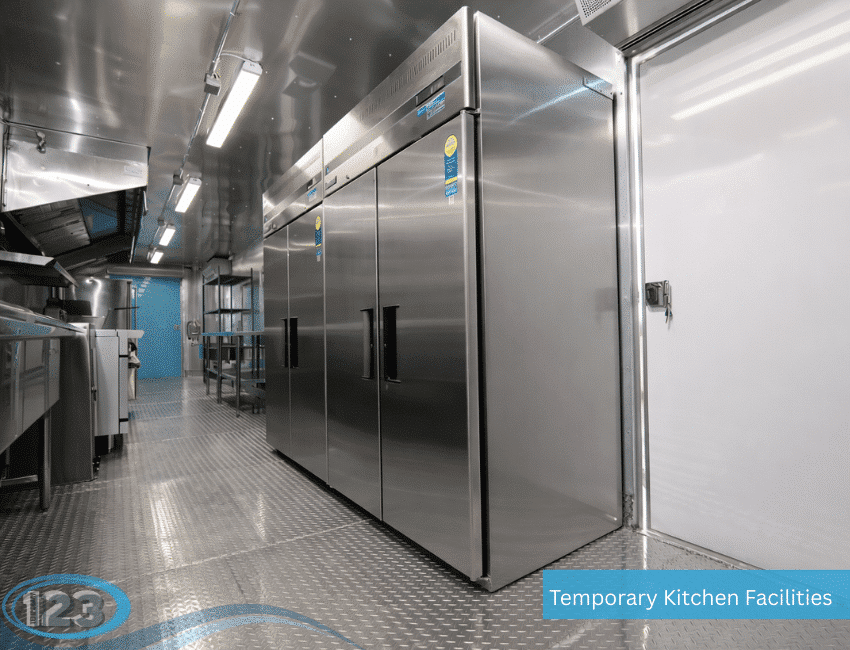
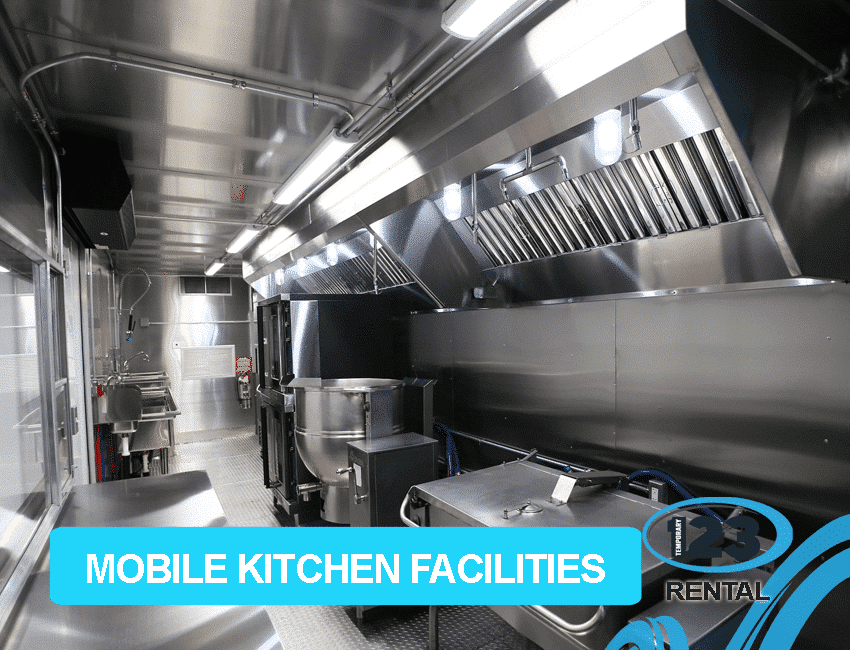
Kitchen layouts & equipment
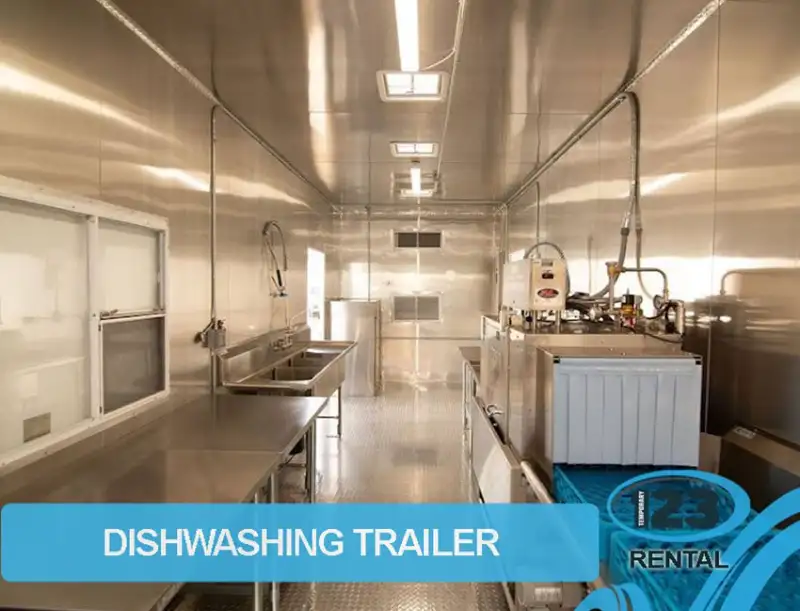
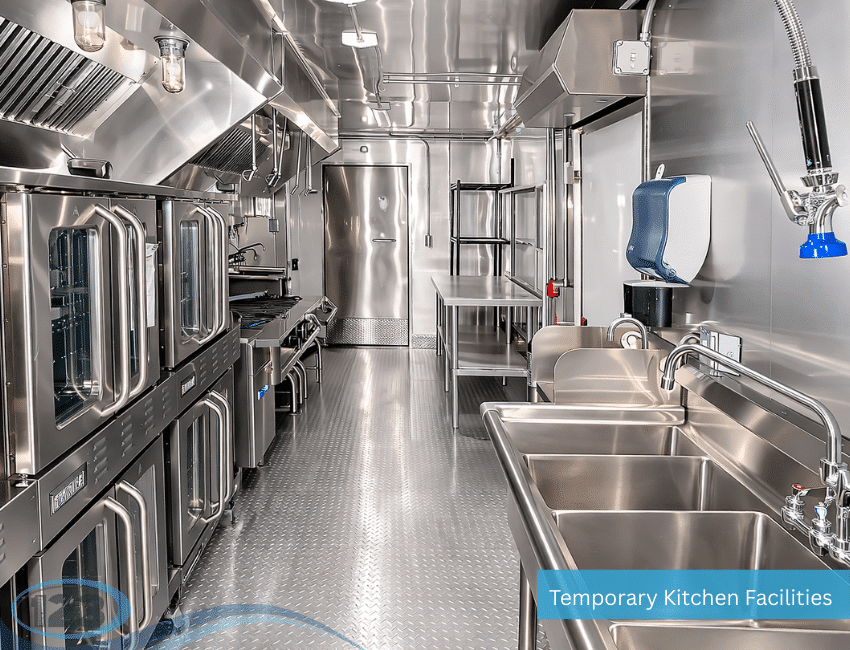
Reference photographs for preparation, cooking, storage, and facility planning. Select a photo to view it in full.

Make references useful
When speaking with a previous customer, ask what kind of facility was repaired and how the team dealt with access, scheduling, communication, and unexpected findings. The answers are more useful than an unqualified claim that a project was fast. Ask the contractor for appropriate references and verify them directly.
Preparing a temporary kitchen lease brief
A temporary kitchen lease needs an operating brief as well as a period of use. List preparation, washing, storage, and staff access needs; ask the provider to explain the equipment and site requirements. Confirm charges and arrangements for extending or changing the agreement with that provider.
Reference resources