

Make reporting straightforward
Tell staff who receives reports and what information is useful: the place, time, visible condition, and any related operating activity. Keep new observations separate from a diagnosis of the cause. A consistent reporting process helps the facilities team see patterns without relying on informal recollection.
Use the existing maintenance information
Review manufacturers' documentation, service reports, and previous repairs with the appropriate providers. Identify which follow-up tasks belong to equipment maintenance and which relate to the building. Allocate responsibility rather than treating the whole kitchen as one undifferentiated maintenance item.
Inside the kitchen
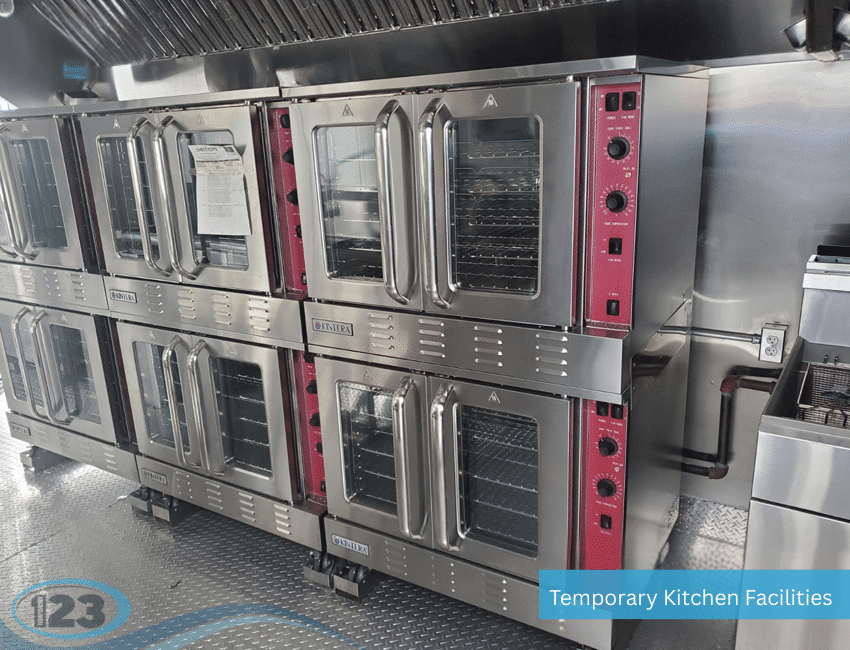
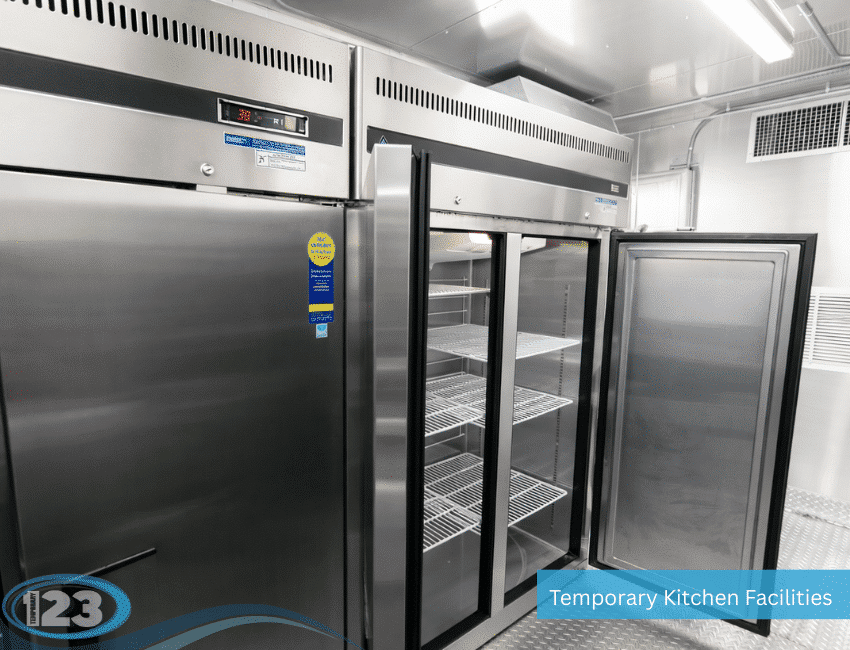
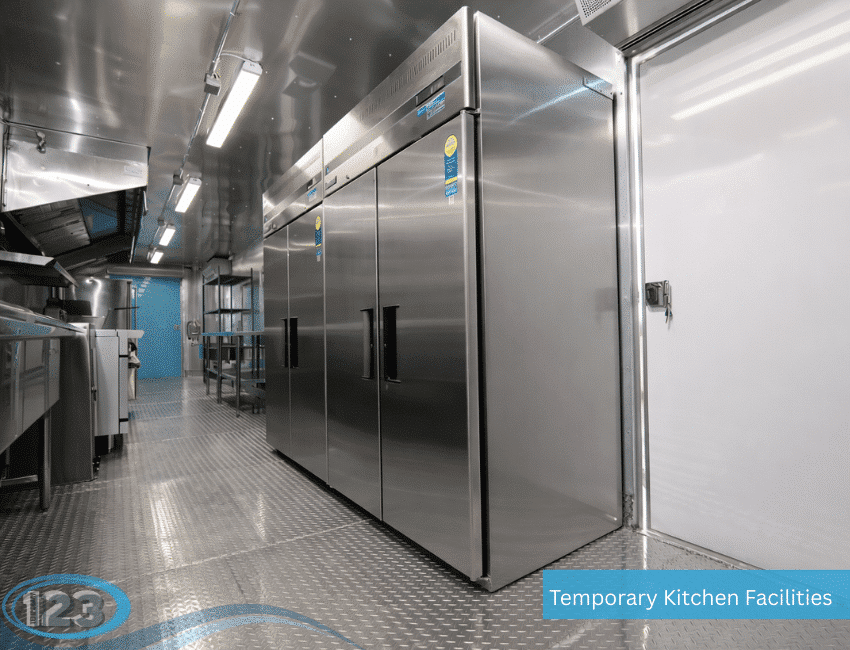
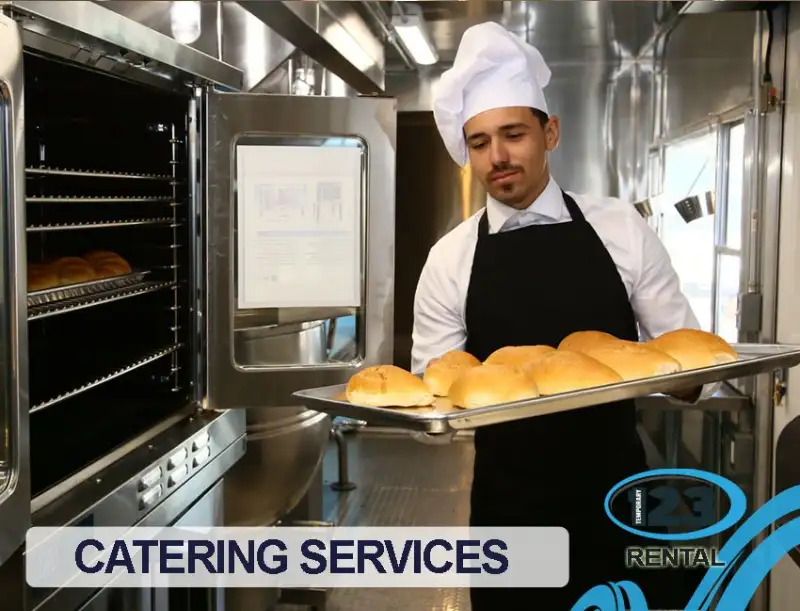
Kitchen layouts & equipment
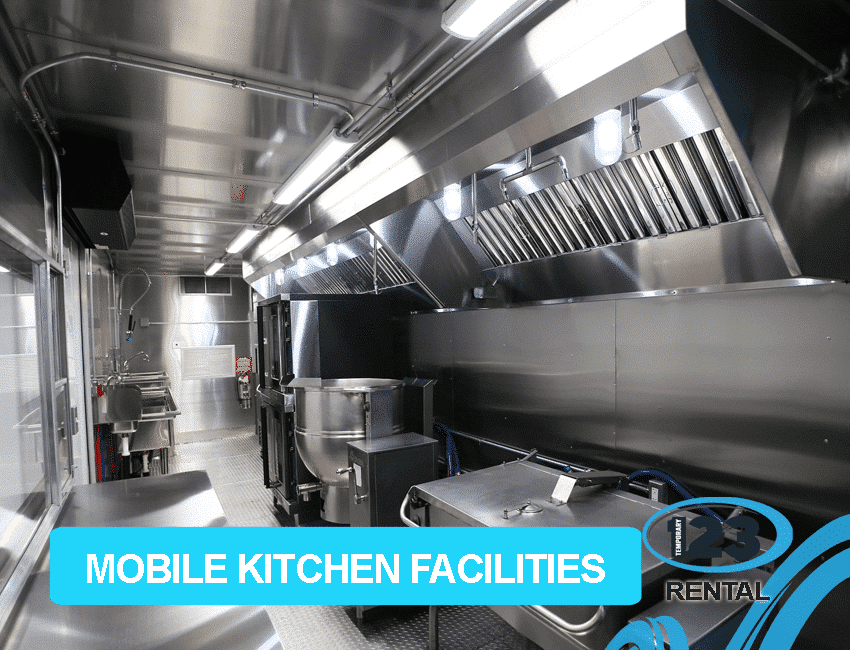
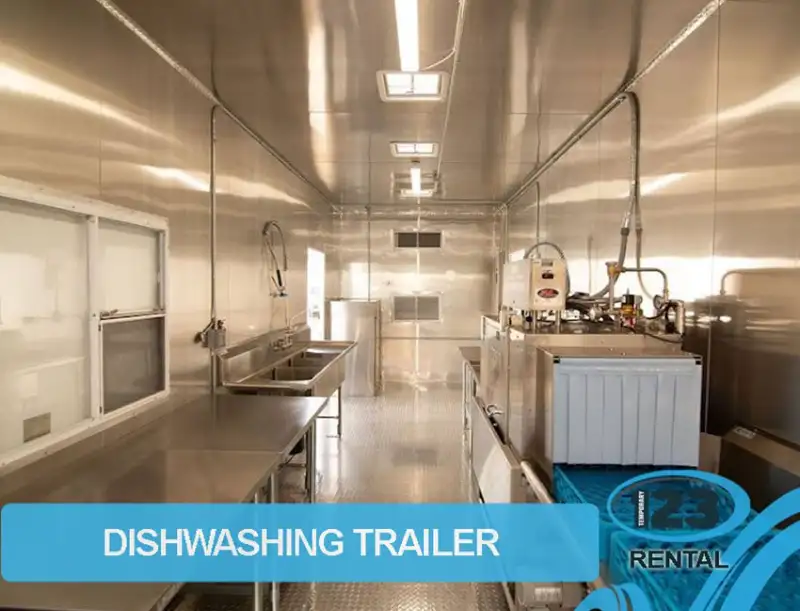
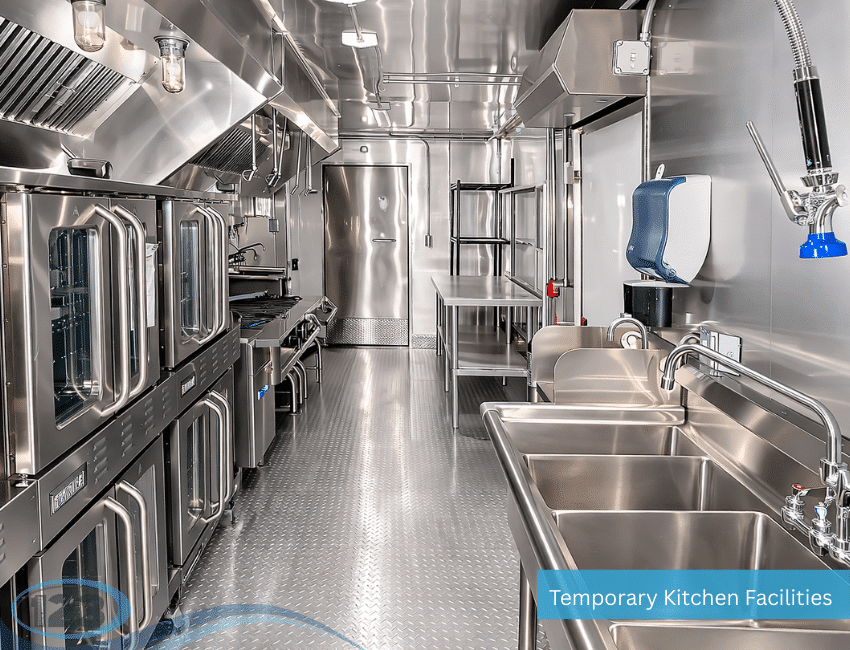
Reference photographs for preparation, cooking, storage, and facility planning. Select a photo to view it in full.
Learn from the project record
After an incident, review the findings and any recommended follow-up with the operator and property team. Update the kitchen's records when the layout, equipment, or service connections change. Keep a current list of project and service contacts so that future concerns can be directed to the right people.
Temporary kitchen rental planning
If repairs interrupt meal production, compare temporary kitchen rentals with usable on-site space and outside food service. Ask a provider how the proposed equipment, connections, and access fit your operation. Confirm availability and the quoted scope for the actual facility.
Reference resources