

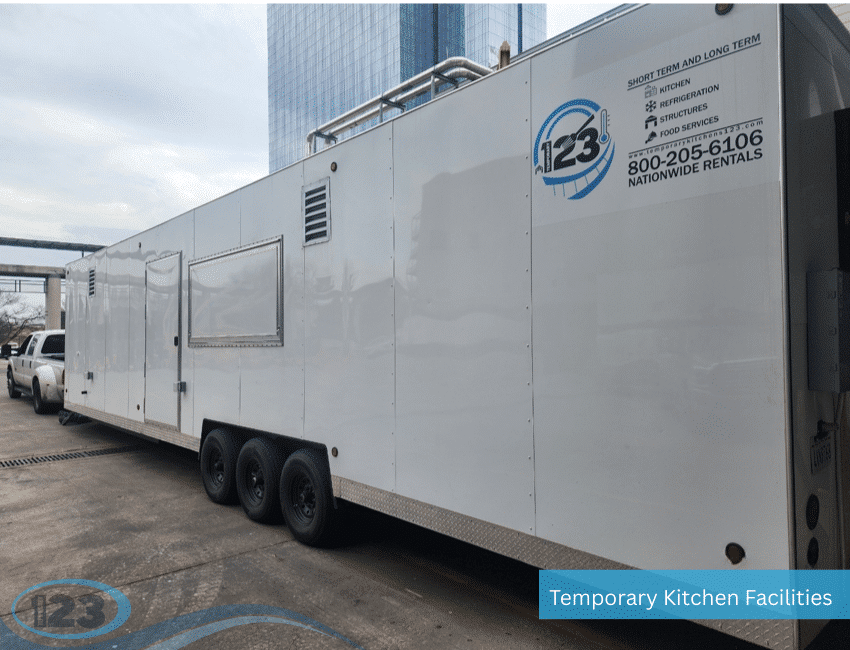

Temporary food-service planning
Connect the alternative kitchen with the work your food-service operation needs to do.
Review the proposed site
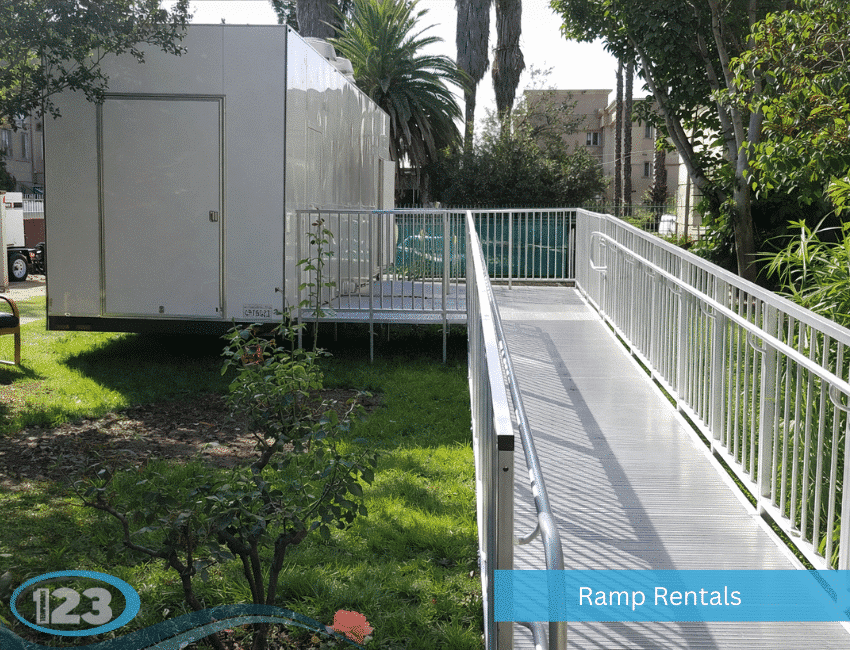
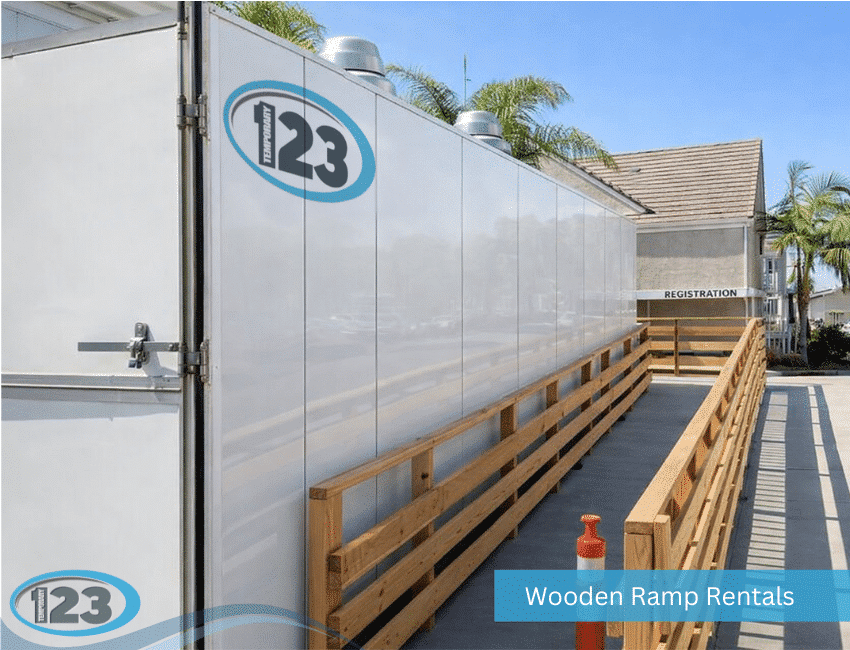
A site discussion should cover space, access, available utility information, and the routes used by staff, deliveries, and waste. Have the relevant specialists assess connections and installation needs. A generic description of a temporary kitchen does not establish that a particular site can accommodate it.
- Available site plans and access information.
- Equipment specification and operating needs.
- Connection requirements to be assessed.
- Applicable authority review before use.
Inside the kitchen
Kitchen layouts & equipment
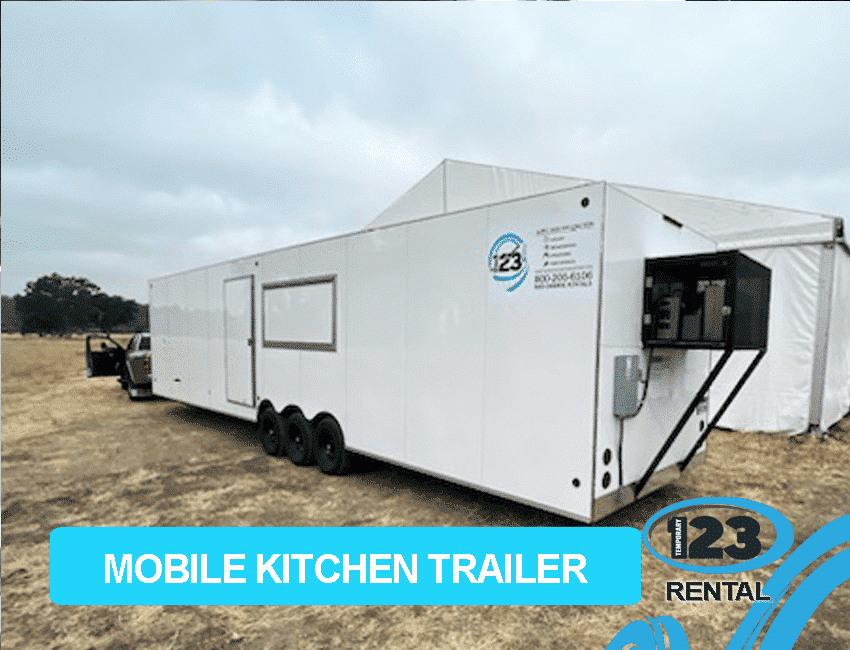
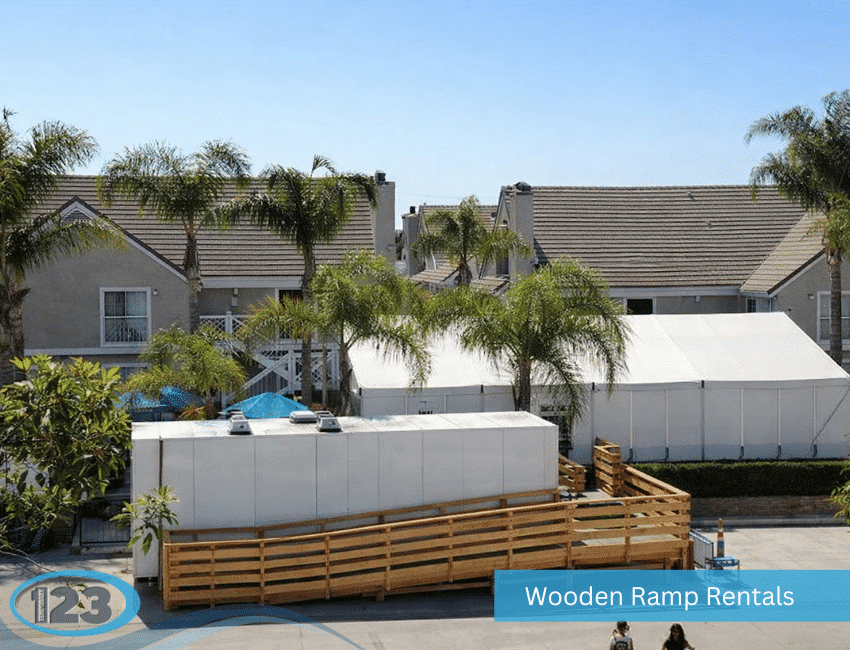
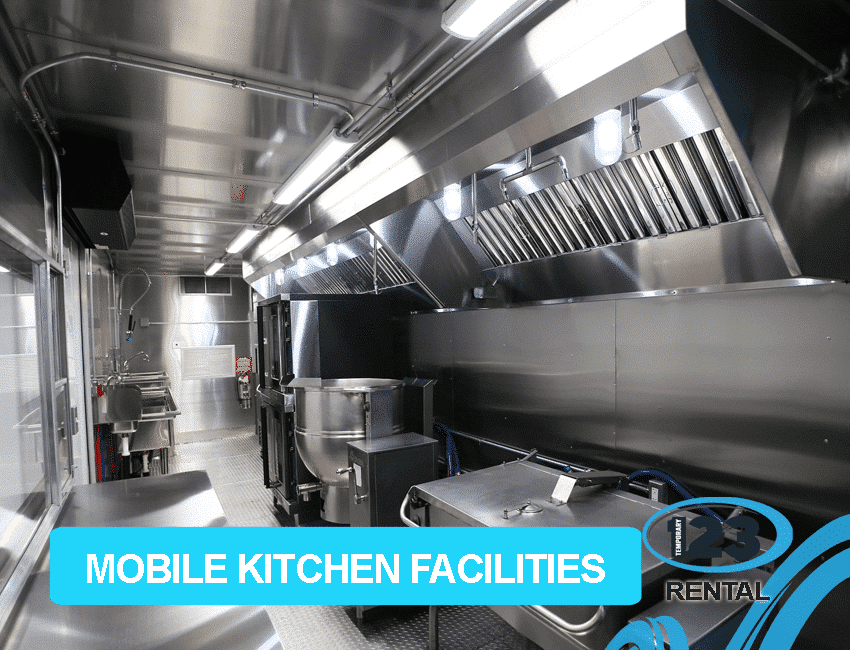
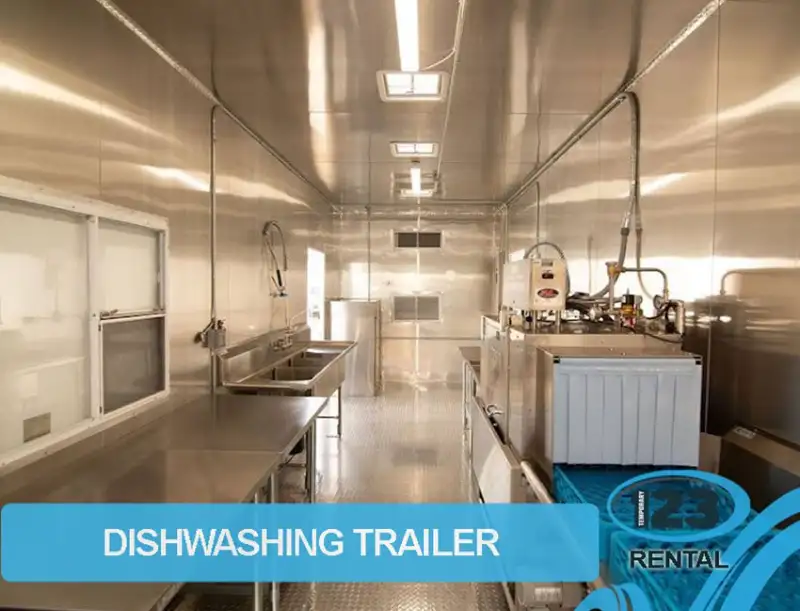
Reference photographs for preparation, cooking, storage, and facility planning. Select a photo to view it in full.
Confirm the kitchen lease period and scope
Request a written quotation for the agreed equipment, installation, transport, and support arrangements. Ask the provider to confirm the rental or lease period and how extensions or changes would be handled. Keep those commercial terms alongside the equipment and site findings, so the proposal addresses the intended operation. Availability, charges, and setup arrangements need to be confirmed for the actual project.
Reference resources