

State & city information
Commercial Kitchen Rentals by State and City
Find the state and place information that belongs with your commercial kitchen recovery or temporary rental brief. Explore 50 states, the District of Columbia and 5,068 place pages. A waterfront food-service operation in Seattle, an institutional kitchen in Chicago, and a catering facility in Miami each need their own access, utility and operating review. Start with the facility address, affected tasks and intended dates. Use the geographic references and rental information to prepare the questions for your actual property. Call our staffed 24/7 number or send a project inquiry with those details.
Find commercial kitchen rental locations
Select a state, county or city to explore the kitchen-project pages. The map identifies places; contact our team with your facility address and dates to confirm the rental arrangements.
Find your location
Start with a state. Explore individual places as you zoom.
How to use the map
Select a state or search for a place. Numbered groups separate into individual city dots as you zoom. Drag to pan, or swipe on touch screens. With the map frame focused, use arrow keys to pan, +/− to zoom, and Home to reset. Tab to a place, use arrow keys to explore, and Enter or Space to select. Escape closes its details. Every place is also available in the directory below.
Select a state, city dot or numbered group to explore its guides.
Generalized U.S. Census Bureau 2025 boundaries; new place markers use 2024 Gazetteer reference points and retained city markers keep their documented references. Alaska and Hawaii use separate insets; positions do not express travel distances. Boundary source.
Alabama
106 place pages
View the complete Alabama directoryAlaska
103 place pages
View the complete Alaska directoryArizona
106 place pages
View the complete Arizona directoryArkansas
106 place pages
View the complete Arkansas directoryCalifornia
106 place pages
View the complete California directoryColorado
106 place pages
View the complete Colorado directoryConnecticut
106 place pages
View the complete Connecticut directoryDelaware
73 place pages
View the complete Delaware directoryDistrict of Columbia
0 place pages
Florida
106 place pages
View the complete Florida directoryGeorgia
106 place pages
View the complete Georgia directoryHawaii
106 place pages
View the complete Hawaii directoryIdaho
106 place pages
View the complete Idaho directoryIllinois
106 place pages
View the complete Illinois directoryIndiana
106 place pages
View the complete Indiana directoryIowa
106 place pages
View the complete Iowa directoryKansas
103 place pages
View the complete Kansas directoryKentucky
103 place pages
View the complete Kentucky directoryLouisiana
103 place pages
View the complete Louisiana directoryMaine
103 place pages
View the complete Maine directoryMaryland
103 place pages
View the complete Maryland directoryMassachusetts
103 place pages
View the complete Massachusetts directoryMichigan
103 place pages
View the complete Michigan directoryMinnesota
103 place pages
View the complete Minnesota directoryMississippi
103 place pages
View the complete Mississippi directoryMissouri
103 place pages
View the complete Missouri directoryMontana
103 place pages
View the complete Montana directoryNebraska
103 place pages
View the complete Nebraska directoryNevada
103 place pages
View the complete Nevada directoryNew Hampshire
88 place pages
View the complete New Hampshire directoryNew Jersey
103 place pages
View the complete New Jersey directoryNew Mexico
103 place pages
View the complete New Mexico directoryNew York
103 place pages
View the complete New York directoryNorth Carolina
103 place pages
View the complete North Carolina directoryNorth Dakota
103 place pages
View the complete North Dakota directoryOhio
103 place pages
View the complete Ohio directoryOklahoma
103 place pages
View the complete Oklahoma directoryOregon
103 place pages
View the complete Oregon directoryPennsylvania
103 place pages
View the complete Pennsylvania directoryRhode Island
28 place pages
View the complete Rhode Island directorySouth Carolina
103 place pages
View the complete South Carolina directorySouth Dakota
103 place pages
View the complete South Dakota directoryTennessee
103 place pages
View the complete Tennessee directoryTexas
103 place pages
View the complete Texas directoryUtah
103 place pages
View the complete Utah directoryVermont
102 place pages
View the complete Vermont directoryVirginia
103 place pages
View the complete Virginia directoryWashington
103 place pages
View the complete Washington directoryWest Virginia
103 place pages
View the complete West Virginia directoryWisconsin
103 place pages
View the complete Wisconsin directoryWyoming
103 place pages
View the complete Wyoming directoryPut the address into the recovery brief
Identify the food-service operator, property contact and authority responsible for the actual facility. Keep the assessment findings, operating dates and affected kitchen tasks together. A county disaster record can establish historical exposure; it cannot establish the condition of a room or authorize an alternative kitchen.
Ask the property team to review vehicle access, working space, utility connections and staff movement before comparing proposals. Include the return-to-service plan as well as the temporary period: removal, reconnection, inspections and the equipment handover can affect the transition back into the building.
A closer look
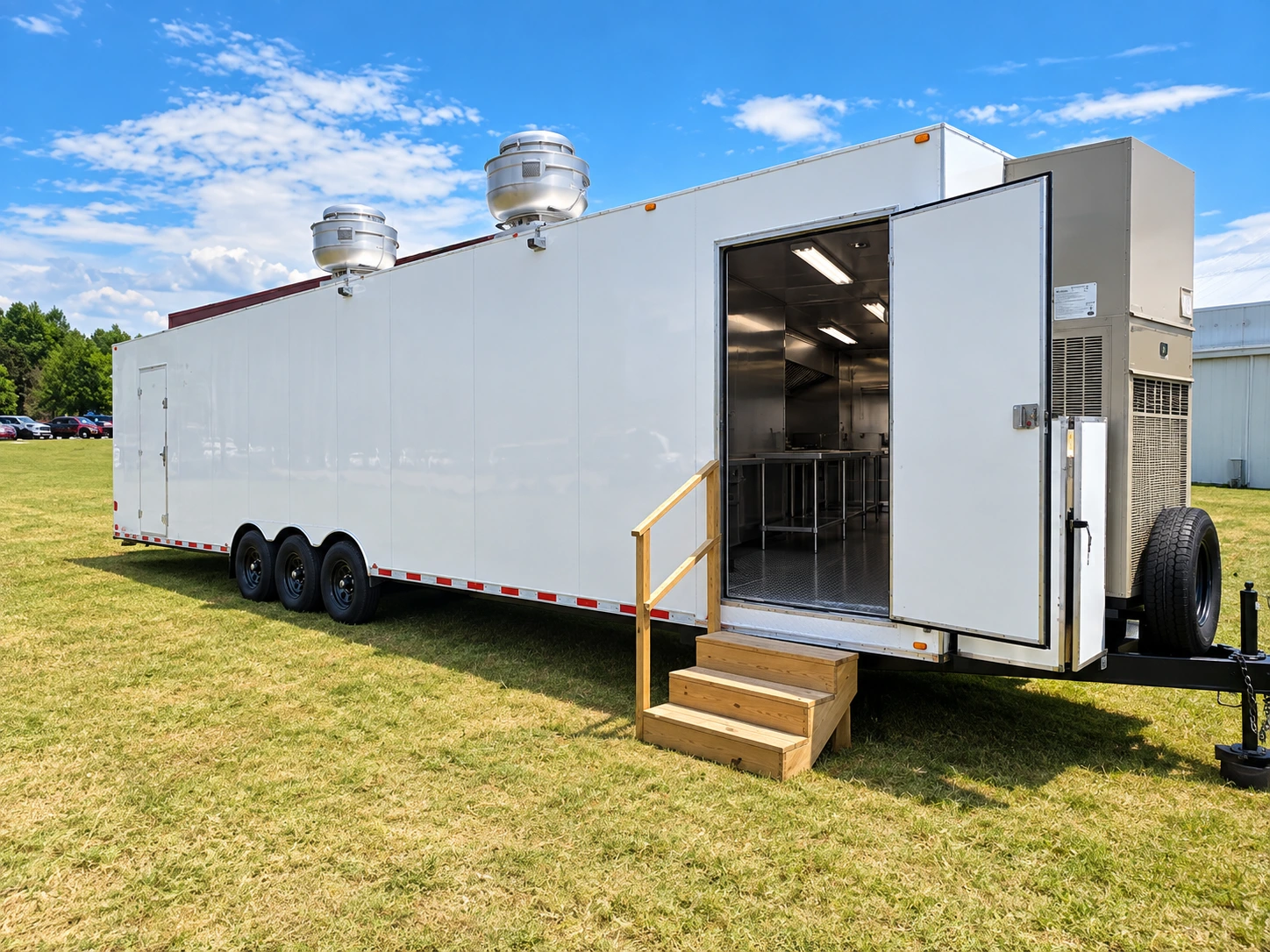
Inside a temporary kitchen
Look at the cooking, preparation and washing areas, then compare them with your menu and the proposed configuration. Select a photograph to see the full view.
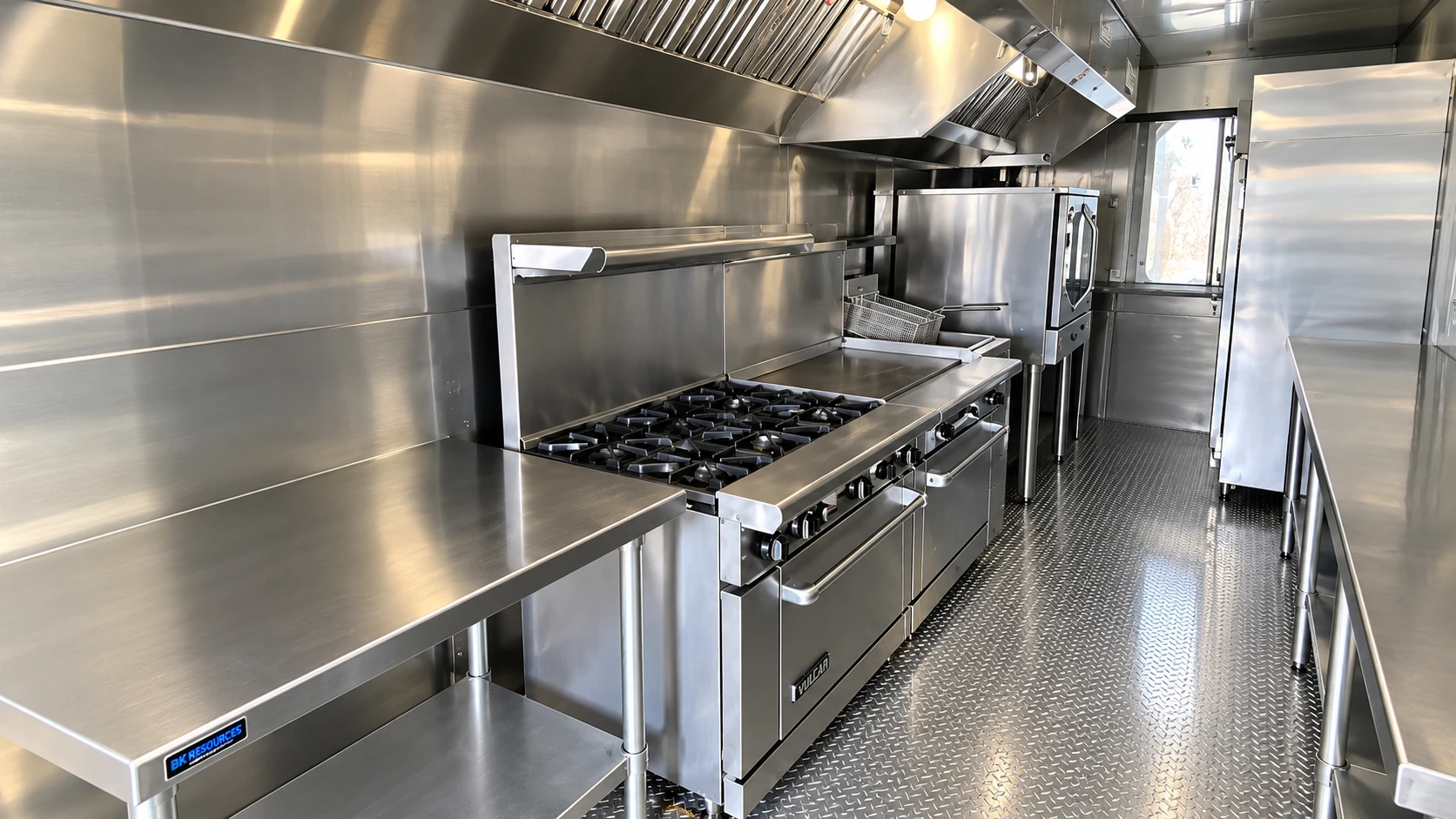
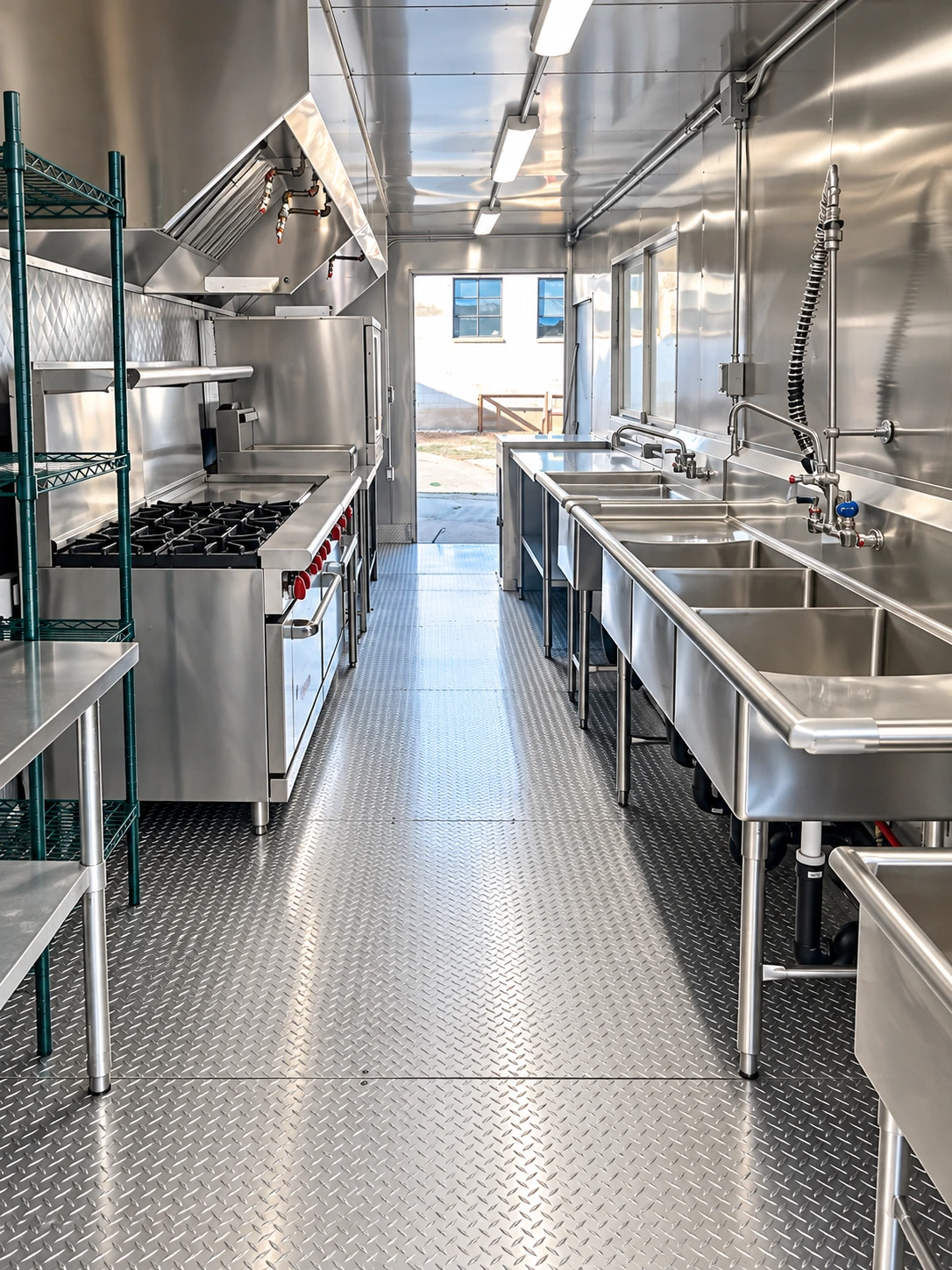
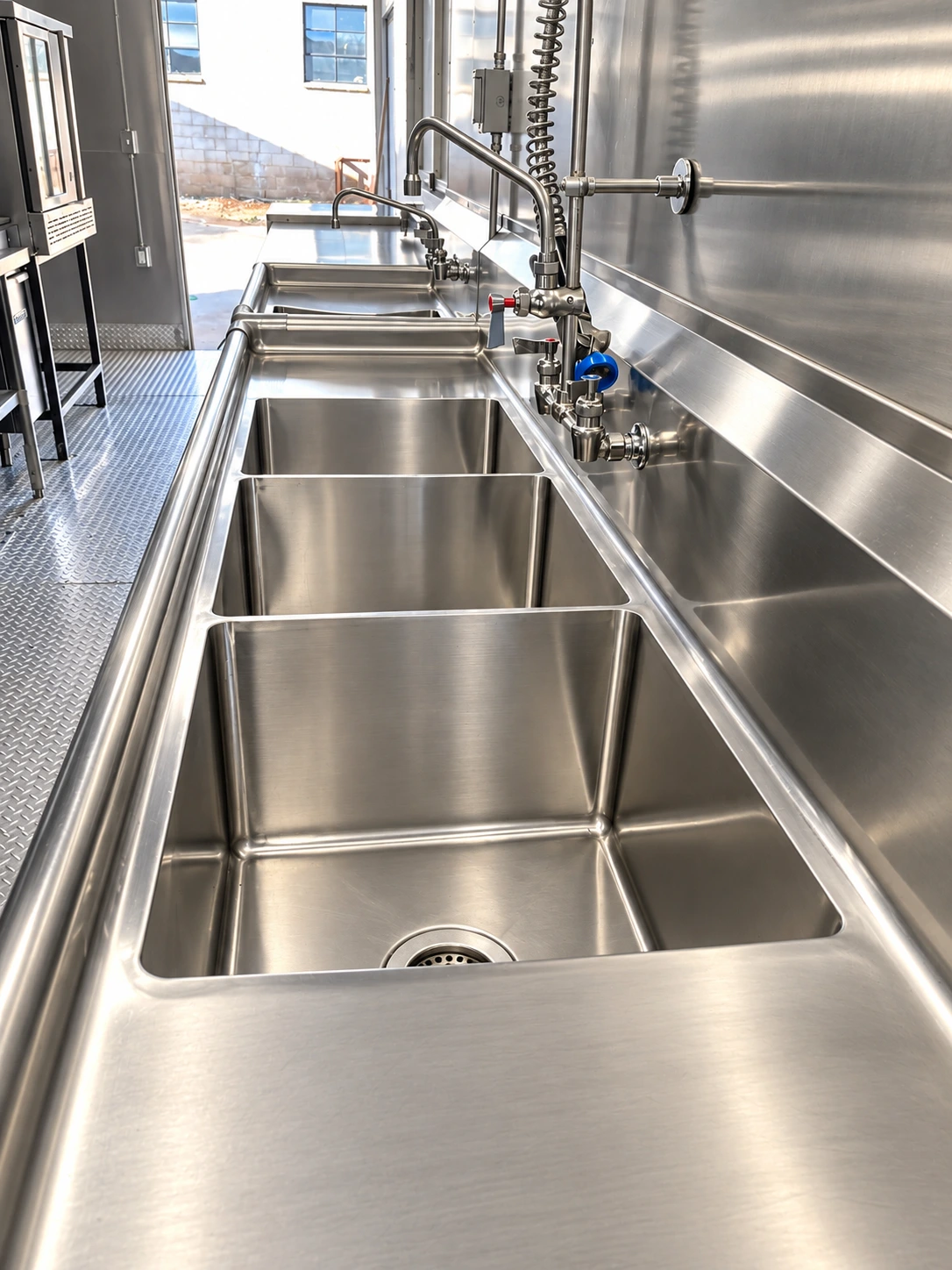
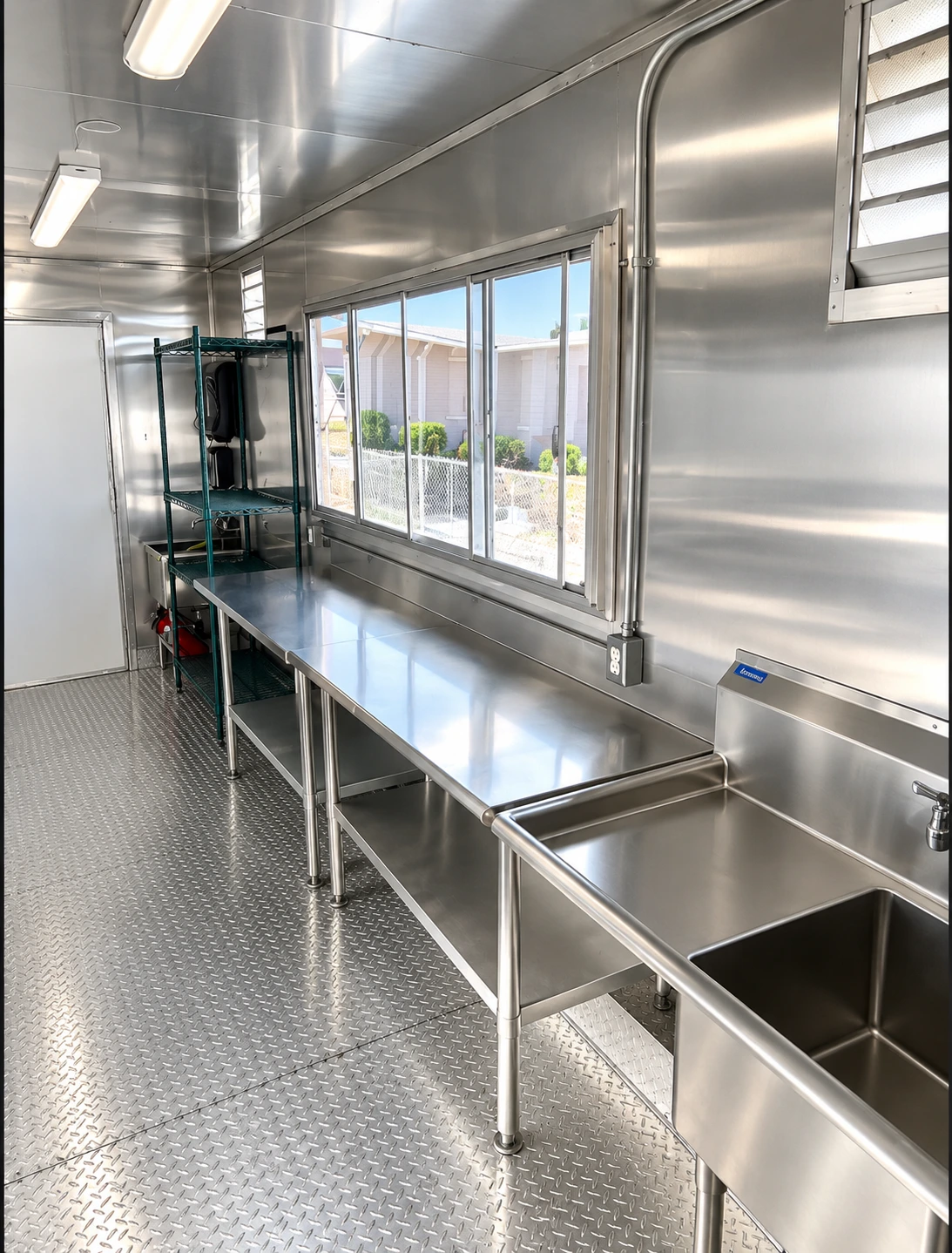
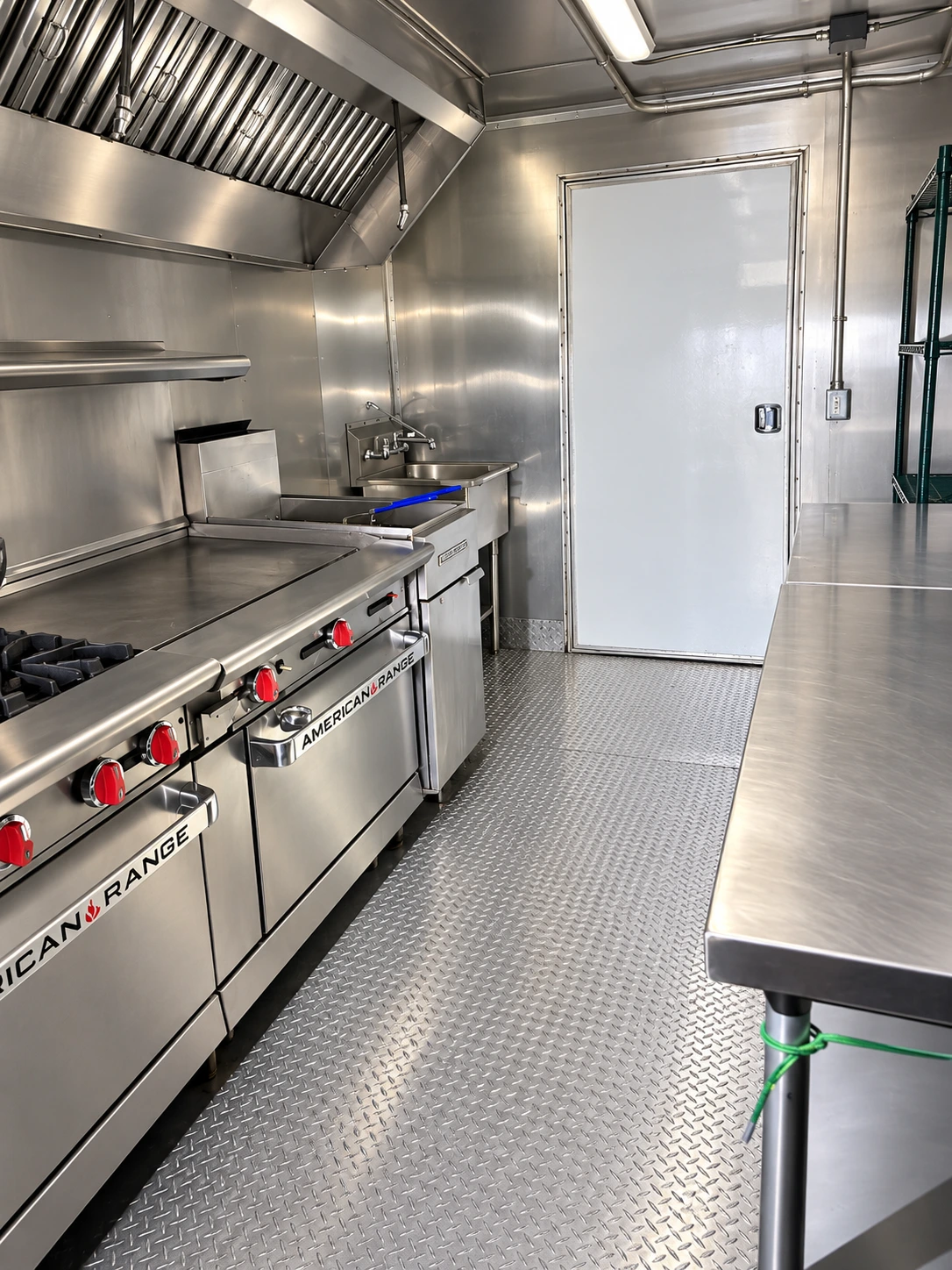
Photographs show shared configurations. Confirm the assigned equipment and layout with your quote.
Before agreeing a rental or lease
Compare the complete period of use.
Your quote should identify the equipment, billing period, delivery, connections, servicing, cleaning and collection in one written scope. For phased repairs, check extension notice and the charges that continue until collection. Keep permanent repairs separate from the temporary operation, and confirm who supplies each connection. An inquiry starts a discussion; availability, the assigned unit and final terms need confirmation in our written proposal.
Why choose Water Damage Kitchen
Location guides organize geographic and public-resource questions. The exact facility and proposed operation still determine the responsible review.
Deployment coordination
Confirm the city and state before choosing a geographic guide.
24/7 emergency inquiries
Call anytime with the actual location and affected kitchen tasks.
End-to-end project support
Connect the actual property and configuration with setup, operating support and equipment return.
Flexible rental terms
Ask the provider to confirm availability and project terms separately.
Heavy-duty commercial equipment
Use the selected records to prepare connection and equipment questions.
Experienced logistics coordination
Retain the relevant guide alongside the actual property’s project information.
Clear equipment details and a staffed phone
Compare specifications, rental price bands and configuration references before requesting a quote. Our project inquiry phone is staffed 24/7, and your proposal confirms the assigned equipment and project arrangements.
Documented project context
Public examples for this decision
1. Past emergencies and operating dependencies
Sandy in October 2012 disrupted fuel and water pumps and elevators at Bellevue in New York City. City and county emergency records help frame recovery questions, but your own assessment must identify the actual kitchen's damage, usable access and lost operating functions.
2. Construction and the occupied site
The UCSF hospital program in San Francisco, documented in 2026, combines new construction and existing-space work. Location research should identify the actual project and current owner scope before a proposal assumes an installation site, schedule or temporary-equipment requirement.
A December 2023 award at Birmingham VA covers main-kitchen renovation. For a comparable shutdown, identify which production stations and shared services close together before choosing the temporary cooking line; the building-work package and equipment rental need separate scopes. Public project record.
A July 2019 Miami award combined National Hurricane Center kitchen renovation with bathroom work. For a comparable occupied facility, identify the services affected by the wider building package before confirming the temporary kitchen position and required connections. Public project record.
3. Renovation and continuing food programs
The Southwest YMCA in Denver reports completed renovations in 2026 after a phased plan intended to continue pantry service. State and city guides should keep completed examples separate from active work while translating food-program context into useful preparation and storage questions.
A September 2011 VA award in Chicago covered replacing the roof over a third-floor kitchen. Overhead work can require a temporary meal arrangement even when cooking appliances remain unchanged. Show the protected work boundary and food-transfer path before selecting equipment. Public project record.
A September 2018 Houston ceiling-replacement contract included dust containment and different finishes for kitchen and dining areas. A comparable plan should separate preparation, service and the construction boundary; moving appliances alone does not define the temporary meal route. Public project record.
Boston’s October 2026 schools address reports an improved central kitchen supporting scratch-cooked breakfast and lunch. A centralized meal plan needs production, packing, transport and serving points defined separately; replacement equipment at one address should fit its actual part in that system. Public project record.
4. Verify emergency and project access
Ask the responsible agency for a current published staging-to-hub connection when public logistics matter. The directory organizes geography; it does not establish government access rights, a provider route or the receiving arrangement for your actual equipment installation.
5. Define the rental cost scope
Illinois' Ludeman item 170 records a historical $227,593.52 trailer-package total. A local inquiry needs its own equipment, operating term and installation scope, with written charges and exclusions. The directory and historical records cannot supply a current market rate.
Source records: Hospital flood assessment · University construction update · Community renovation record · Historical trailer package, item 170.
Kitchen project inquiries · 24/7
An interrupted kitchen needs a clear next step.
Tell us the facility location, which preparation or cooking tasks have stopped, the next meal period and your intended dates. Bring available assessment notes, site photographs and utility information so the discussion starts with the actual problem.
Project questions
Before you choose the next step
How do I find my local guide?
Search by city, state or state abbreviation. Open a state guide and choose a researched city guide, or use the map and directory.
Does a city page identify a local company office?
The guides describe geographic places and public sources. A location on the map does not identify an office, rental yard or assigned equipment.
What does the disaster history tell me?
A declaration establishes its named area and historical incident period. It does not diagnose damage at a particular kitchen or establish current access restrictions.
Can I use another project’s equipment or price?
Use its documented scope to prepare questions. The actual menu, site, dates, connections and written proposal determine whether an alternative suits your facility.
What if my city is not listed?
Use the state guide as a starting point and include your actual facility address in the inquiry. Confirm the responsible local authority and rental arrangements for that address.
Tell us about your kitchen
Send a project inquiry
Share your location and kitchen questions. Fields marked * are required.
Read our Privacy Policy for how the form and its inquiry workflow use your information.
Prefer to talk? Call +1-800-245-5216.