
District of Columbia rental map and city pages
Select a state, county or city to explore the kitchen-project pages. The map identifies places; contact our team with your facility address and dates to confirm the rental arrangements.
Drag or scroll to explore. On touch screens, swipe inside the map. Zoom or search to separate nearby city dots. Focus the map frame and use arrow keys to pan, +/− to zoom, or Home to reset. Tab to a place, then use arrow keys to explore places and Enter to keep its details open.
Hover, focus, or select a place to preview its name and guide.
Counties and equivalents in District of Columbia
Generalized U.S. Census Bureau 2025 boundaries; new place markers use 2024 Gazetteer reference points and retained city markers keep their documented references. Counties and equivalents are reference areas, not a determination of a facility’s food-service authority. Boundary source.
1. Flood history and receiving conditions
The District’s Department of Energy and Environment documents interior flooding in the Federal Triangle in June 2006 and in Bloomingdale and LeDroit Park in 2012. It also records property damage during September 10, 2020 rainfall. For an interrupted kitchen, establish which work areas, utilities and receiving paths are usable before choosing the temporary cooking arrangement.
A continuity program extending into Maryland communities such as Mount Rainier or Colmar Manor needs a separate receiving record for each property. Those are Maryland locations, with their own addresses and responsible authorities; District flood history does not establish conditions at those sites.
2. New buildings and the food-service opening
Cedar Hill Regional Medical Center’s report filed with the District describes its April 15, 2025 opening and food-service expenditure during its first operating year. Separately, DGS documents the new Dunbar high-school building, its cafeteria and the August 2013 opening. These are completed building examples, rather than current construction forecasts. Plan the first required meal, operating staff and kitchen readiness as distinct handovers.
Where an opening program also involves Brentwood, identify that Maryland facility’s own production and receiving requirements. A hospital or school example does not establish another operator’s menu, meal count or temporary equipment need.
3. Renovating an existing kitchen
DGS’s public-safety project listing describes Engine 15 modernization with an addition and interior work that includes its kitchen. The listing describes scope rather than confirming completion. For comparable renovation work, agree what can remain in use, which cooking duties move, the washing arrangement and the permanent-room readiness checks before equipment collection.
For a phased program including Cottage City or North Brentwood in Maryland, quote each address and work period separately. Keep the operator’s stock transfer, staff route, cleaning and return-to-service responsibilities with the actual property’s work plan.
4. Incident assignments and delivery access
The published March 2017 District Response Plan assigns DGS roles in identifying temporary staging and storage locations during emergencies. It is a public-response document, not permission to deliver a private rental to an agency location. Obtain current incident instructions from the responsible agency, then give our team the assigned receiving point, authorized contact and property entry conditions.
A project extending to Fairmount Heights in Maryland also needs its own local approach and receiving instructions. Keep current road conditions, delivery dimensions and any site restrictions in that property’s brief rather than using a District coordination address as its destination.
5. Rental prices and the full operating period
For an arrangement involving the District and Maryland facilities in Edmonston or Bladensburg, request address-specific delivery, setup and connection costs. Compare the cooking configuration and rental term first, with separate washing and refrigeration periods where their duties end at different times.
The written quote should identify transport, equipment, connections, servicing, cleaning and collection, together with minimum terms, exclusions and extension conditions. Work backward from the permanent-kitchen handover so the temporary cooking arrangement remains available for the agreed service period.
Kitchen rental price bands for your inquiry
Compare equipment rental by duration and customer tier. Request an itemized quote for the facility address, configuration, delivery, connections and collection.
| Customer tier | 1-6 Days | 8 Days-14 days | 15days-1 month | More than 3 Months |
|---|---|---|---|---|
| Tier 1 | $5,995 to $7,995 | $5,995 to $8,995 | $5,995 to $8,995 | $4,995 to $8,995 |
| Tier 2 | $4,995 to $7,995 | $4,995 to $7,995 | $4,995 to $7,995 | $4,995 to $8,995 |
| Tier 3 | $4,995 to $7,995 | $4,995 to $7,995 | $4,995 to $7,995 | $4,995 to $7,995 |
| Tier 4 | $4,995 to $7,995 | $4,995 to $7,995 | $4,995 to $7,995 | $4,995 to $7,995 |
Delivery, setup, servicing, and minimum terms are confirmed in the quote. The figures above retain the price sheet’s duration labels; they are not daily or weekly rates. Day 7 and terms between one and three months require a quote. Taxes, collection, connections and any extras are confirmed for your project.
Compare all kitchen, dishwashing and refrigeration rental prices, including configuration-specific rates and site add-ons.
A closer look
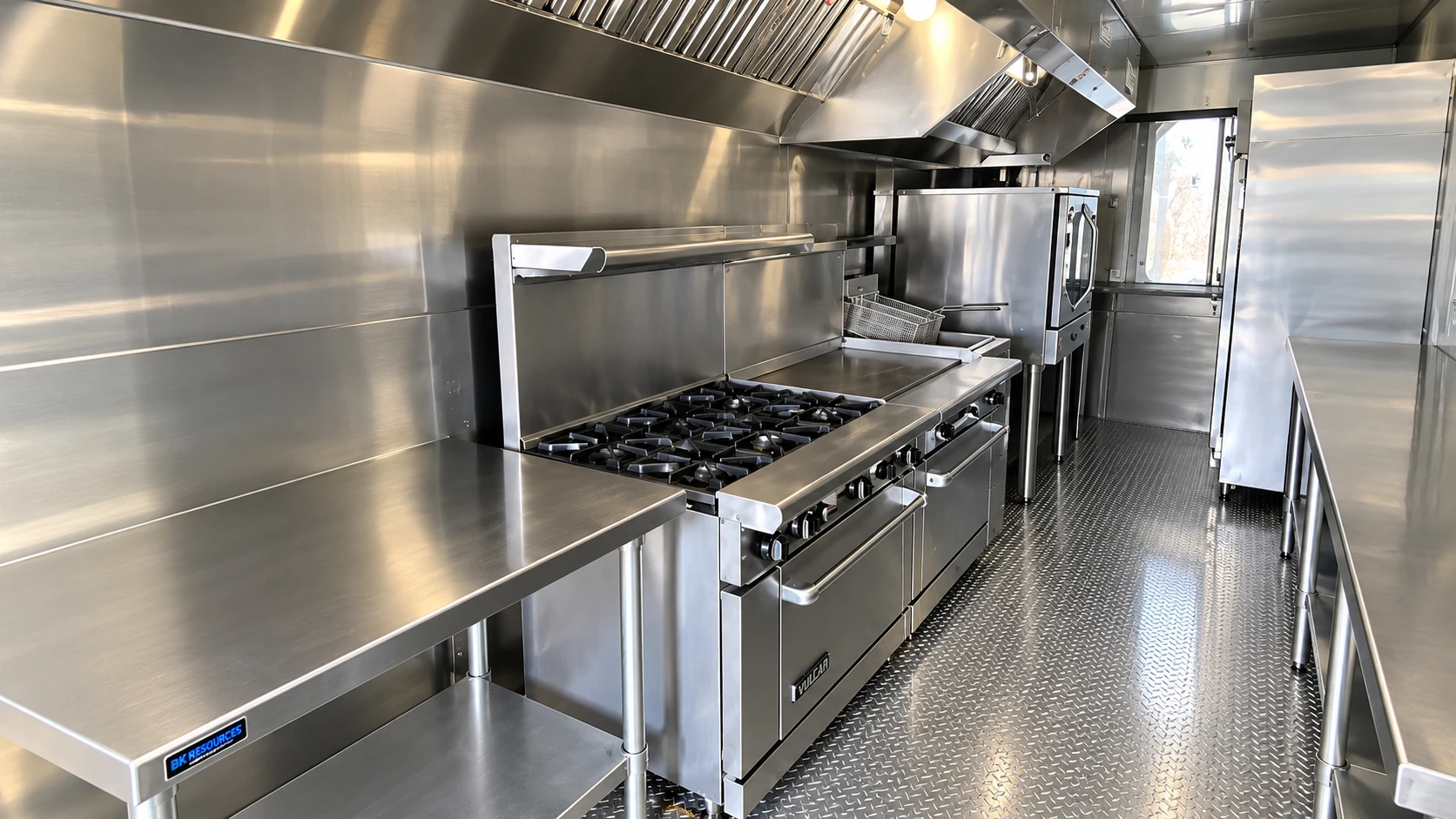
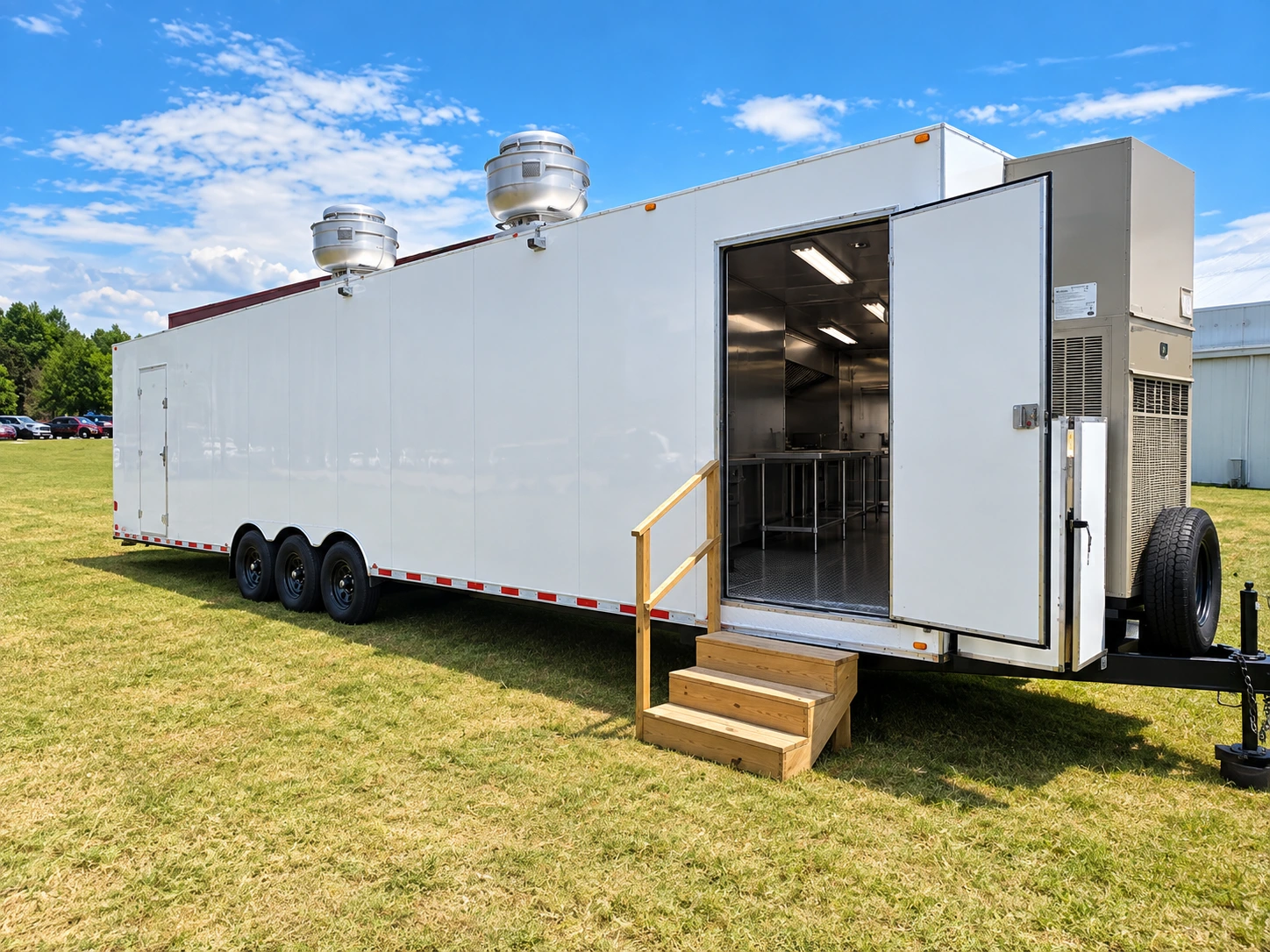
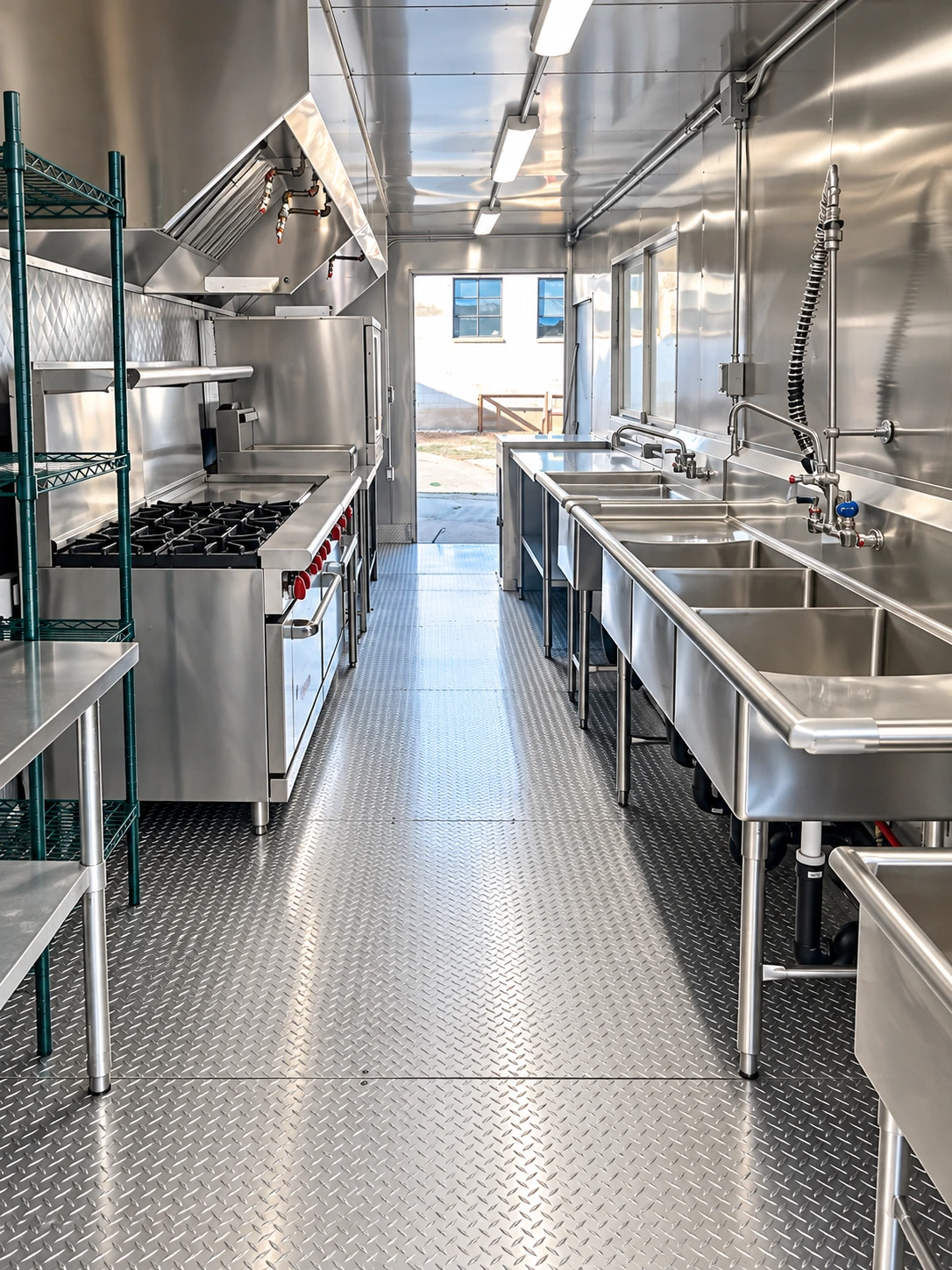
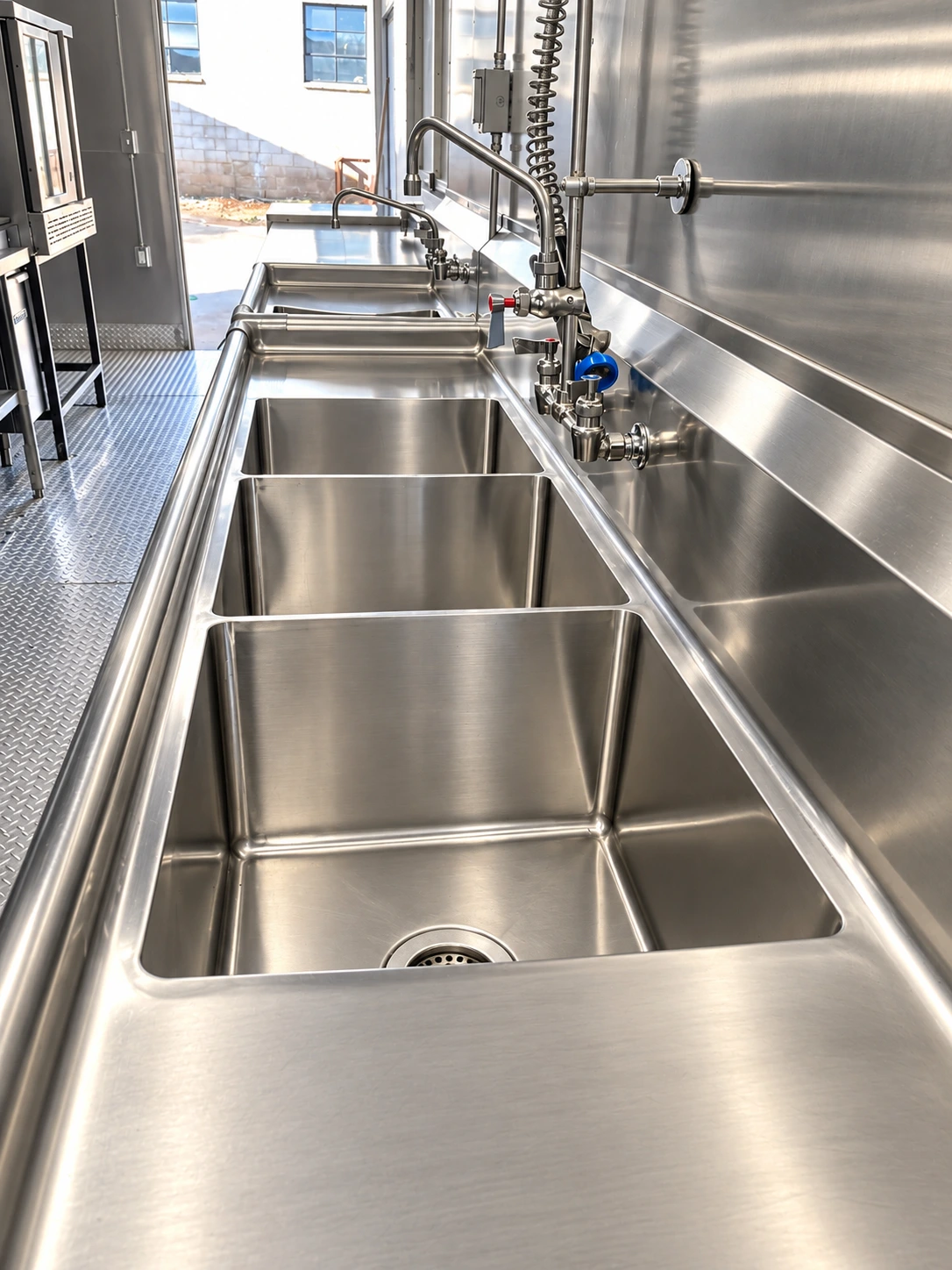
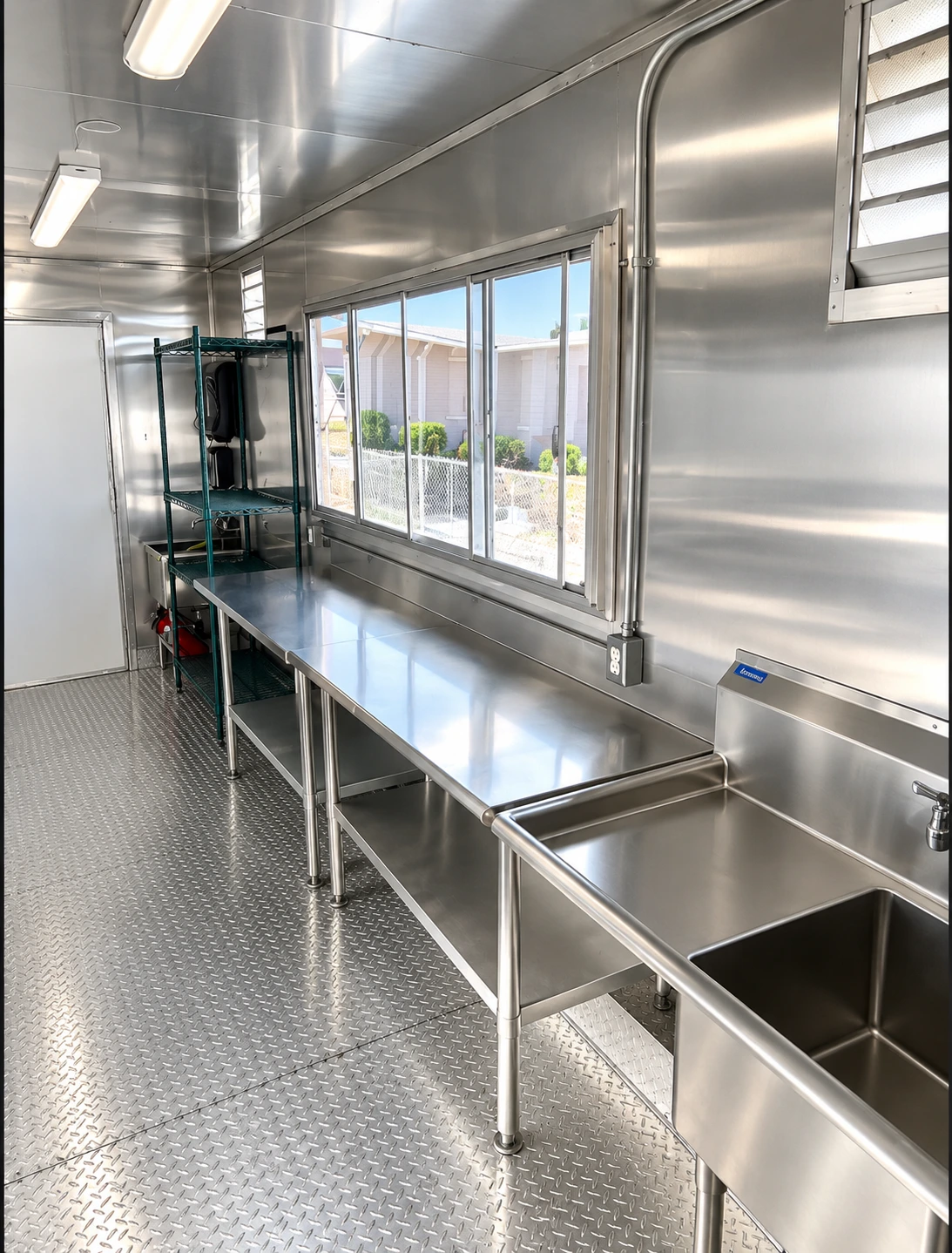
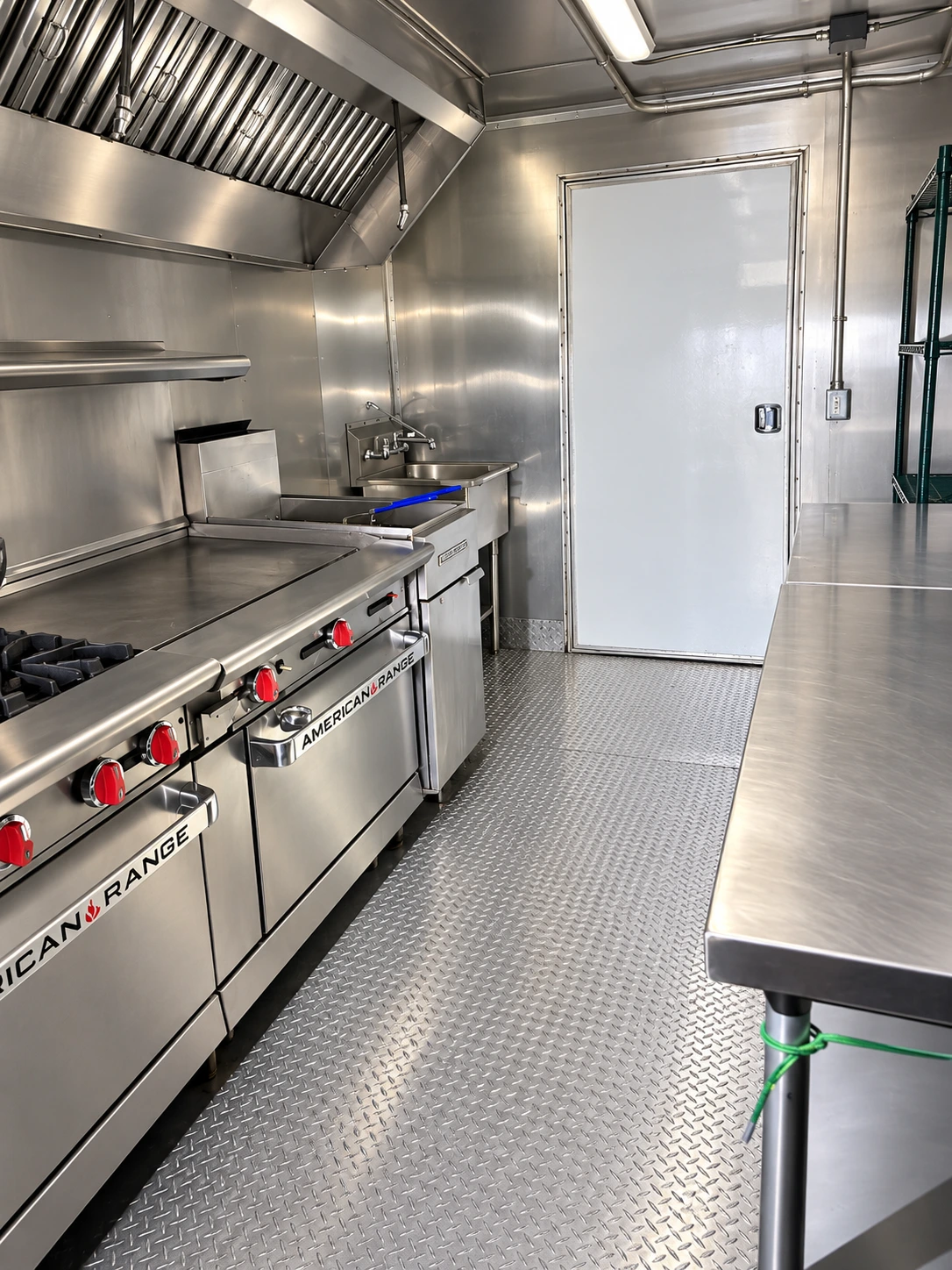
Inside a temporary kitchen
Look at the cooking, preparation and washing areas, then compare them with your menu and the proposed configuration. Select a photograph to see the full view.
Nearby Maryland rental locations
These selected places are in Maryland; the District has no place qualifying for a new under-10,000 city page in the documented inventory.
Before agreeing a rental or lease
Compare the complete period of use.
Your quote should identify the equipment, billing period, delivery, connections, servicing, cleaning and collection in one written scope. For phased repairs, check extension notice and the charges that continue until collection. Keep permanent repairs separate from the temporary operation, and confirm who supplies each connection. An inquiry starts a discussion; availability, the assigned unit and final terms need confirmation in our written proposal.
Why choose Water Damage Kitchen
A District kitchen interruption needs equipment, receiving access and meal service planned together. Use these responsibilities to review the temporary operation with the property team.
Deployment coordination
Give the District receiver the first required meal period and confirm setup coordination in the written quote.
24/7 emergency inquiries
Call our staffed 24/7 number with the facility address and the cooking or cold-storage interruption.
End-to-end project support
Connect configuration selection and setup with temporary operating support, servicing and equipment collection.
Flexible rental terms
Compare short-term and extended use against the District property’s actual repair and opening stages.
Heavy-duty commercial equipment
Review the commercial appliance list, workstations and layout against the operator’s menu and peak production period.
Experienced logistics coordination
Confirm the authorized receiving point, actual approach and utility responsibilities before scheduling delivery.
Clear equipment details and a staffed phone
Compare specifications, rental price bands and configuration references before requesting a quote. Our project inquiry phone is staffed 24/7, and your proposal confirms the assigned equipment and project arrangements.
Kitchen project inquiries · 24/7
An interrupted kitchen needs a clear next step.
Tell us the facility location, which preparation or cooking tasks have stopped, the next meal period and your intended dates. Bring available assessment notes, site photographs and utility information so the discussion starts with the actual problem.
Project questions
Before you choose the next step
What should a District facility include in the inquiry?
Provide the actual address, receiver, menu, peak service period, dates and unavailable kitchen duties. Include known access and connection constraints, with site photographs or layout information where available.
Can a public emergency staging site receive our equipment?
Use only the receiving point and entry instructions authorized for your operation. A location appearing in a public response plan does not authorize a private rental delivery or establish current access.
How should nearby Maryland sites be quoted?
Give each property its own address, contact, production brief, utility information and dates. Confirm the responsible food-service authority and applicable review for that operation rather than carrying District instructions across the boundary.
When can temporary cooking equipment be collected?
Agree the permanent kitchen’s readiness, food and staff handover, cleaning, disconnection and collection sequence. Confirm extension notice and the charges that continue if permanent work changes the schedule.
Does a kitchen unit replace washing and cold storage?
Review the actual configuration. Identify the utensil return, washing process, clean storage and ingredient-holding duties separately, then include any additional commercial dishwashing and emergency refrigeration equipment and connections in the quote.
Tell us about your kitchen
Send a project inquiry
Share your location and kitchen questions. Fields marked * are required.
Read our Privacy Policy for how the form and its inquiry workflow use your information.
Prefer to talk? Call +1-800-245-5216.
Reference resources
Sources and further information
- DC DOEE: flood history and interior flooding
- Cedar Hill report filed with DC DHCF: opening and first-year operation
- DC DGS: new Dunbar school building and cafeteria
- DC DGS: Dunbar school opening, August 19, 2013
- DC DGS: public-safety project scopes, including Engine 15
- HSEMA: published District Response Plan, March 2017