
Identify the actual reopening requirements
FDA guidance says establishments closed in an emergency or affected by a natural disaster should obtain local or state regulatory authorization before reopening. Have the person in charge resolve the actual facility review with the responsible authority.
Make the transfer back an operating sequence
Identify when ingredients, utensils and staff duties return, and how the first permanent meal is prepared and served. Keep unresolved equipment or building restrictions visible so the operator can identify temporary support still required.
A closer look
Inside a temporary kitchen
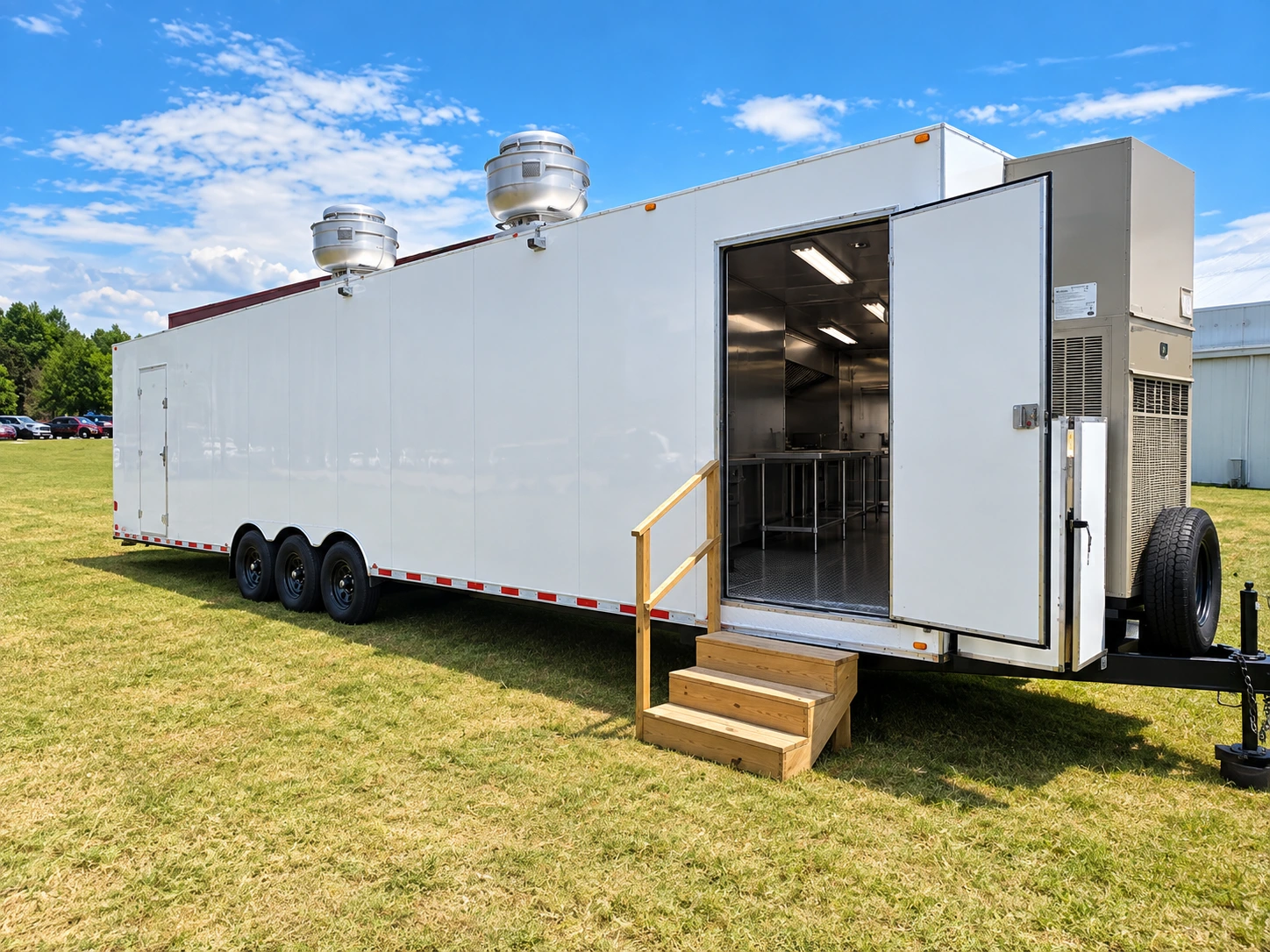
Look at the cooking, preparation and washing areas, then compare them with your menu and the proposed configuration. Select a photograph to see the full view.
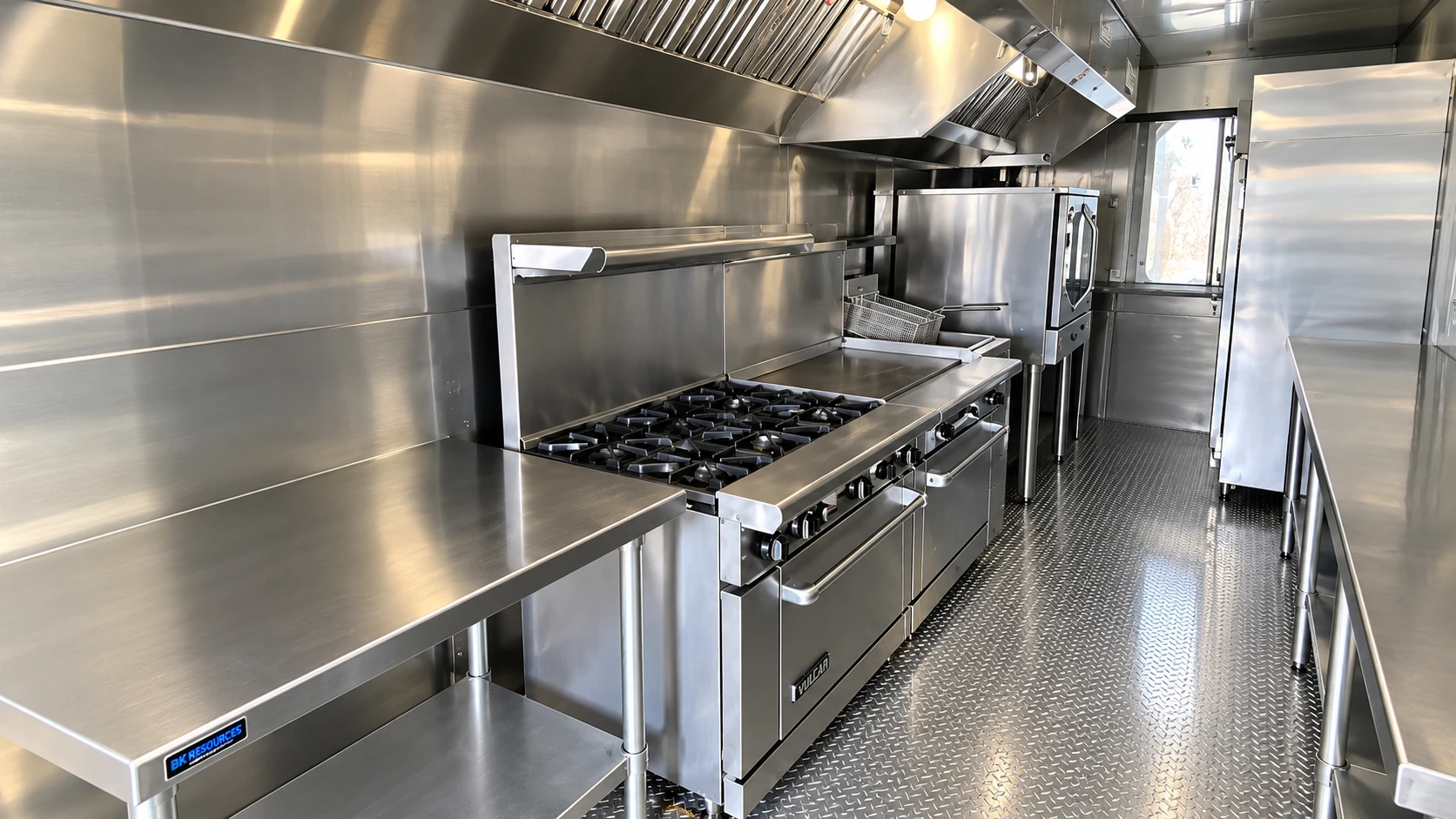
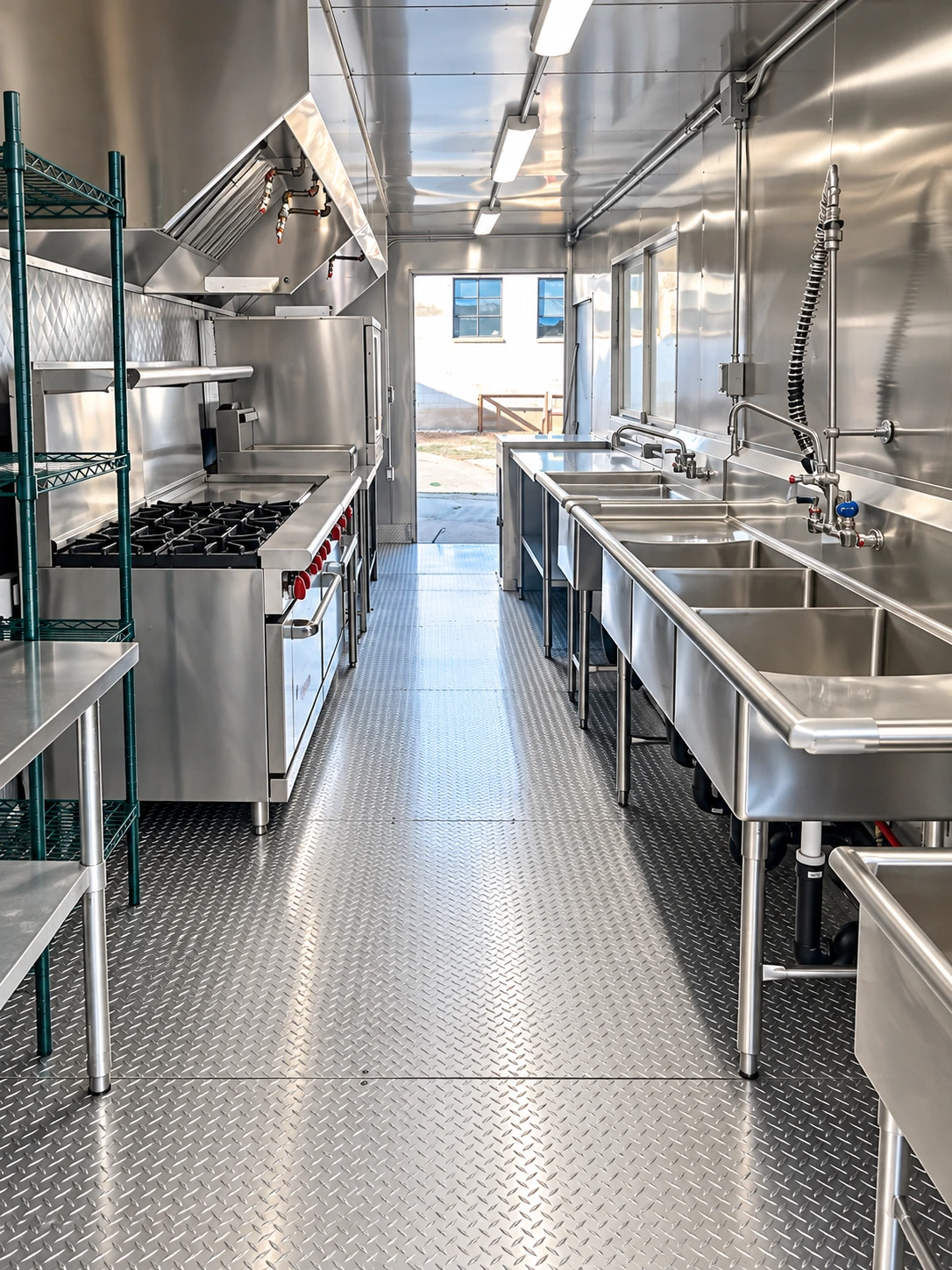
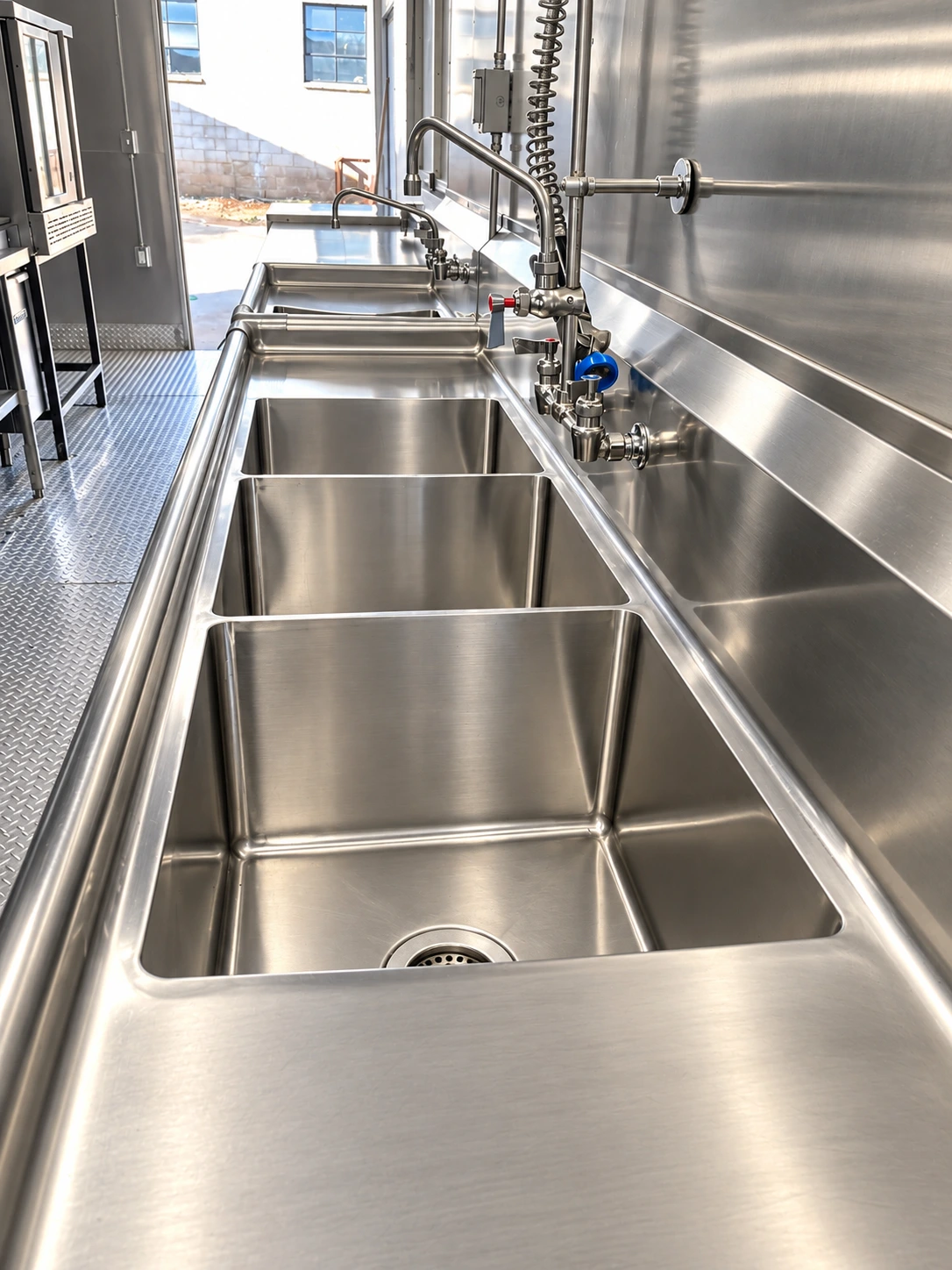
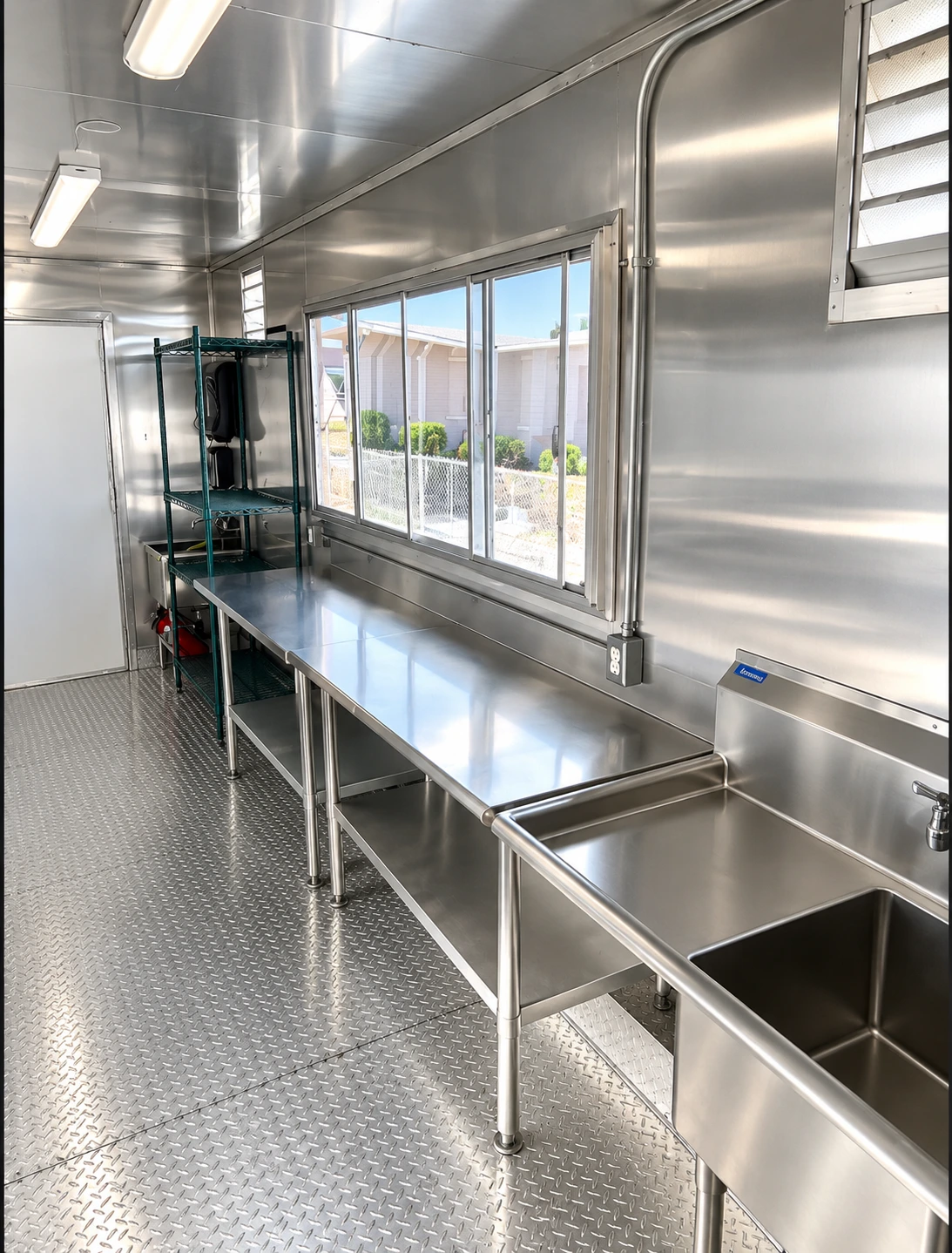
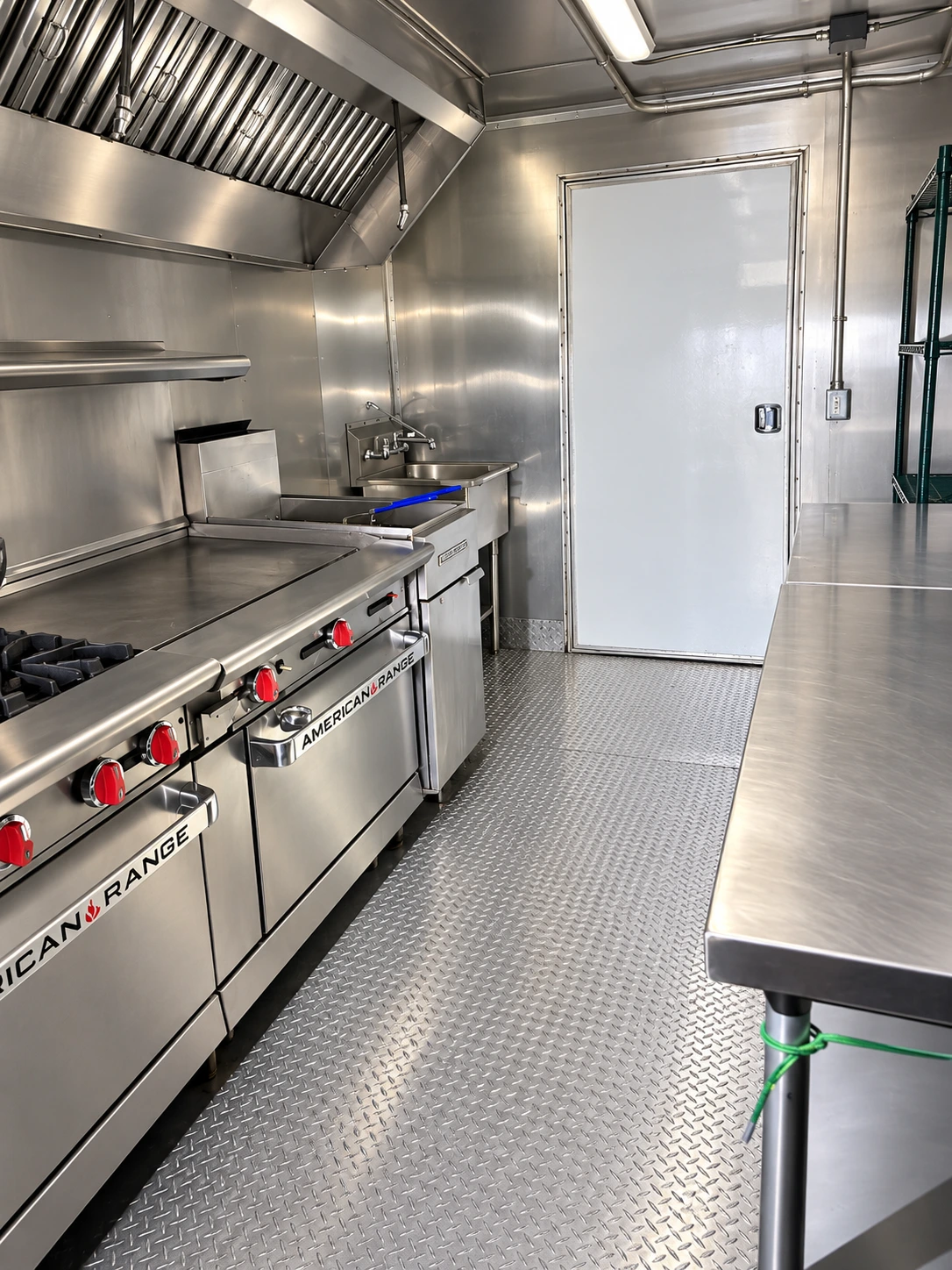
Photographs show shared configurations. Confirm the assigned equipment and layout with your quote.
Review each rental element separately
A cooking line, dishwashing trailer and emergency refrigeration unit can have different release milestones. Tell our team which duties remain and ask how the configuration, extension or collection arrangements respond.
Arrange a complete equipment release
Confirm the last use, required cleaning, disconnection duties and collection access. Keep notice and term conditions with the agreed plan so equipment release has an authorized site contact and an actual end-of-service milestone.
Before agreeing a rental or lease
Compare the complete period of use.
Your quote should identify the equipment, billing period, delivery, connections, servicing, cleaning and collection in one written scope. For phased repairs, check extension notice and the charges that continue until collection. Keep permanent repairs separate from the temporary operation, and confirm who supplies each connection. An inquiry starts a discussion; availability, the assigned unit and final terms need confirmation in our written proposal.
Why choose Water Damage Kitchen
End temporary use against the actual return of meal service. These rental discussions connect remaining equipment duties, extensions and collection with the operator’s transfer-back plan.
Deployment coordination
Setup and collection reviewed as separate handoffs against the operator’s actual meal-service milestones.
24/7 emergency inquiries
A staffed 24/7 number when remaining rental duties need discussion.
End-to-end project support
Review configuration and setup through meal production and separate cooking, washing and storage equipment returns.
Flexible rental terms
Extensions and release conditions discussed while permanent readiness is unresolved.
Heavy-duty commercial equipment
Commercial cooking, washing and refrigerated-storage configurations reviewed against the duties that remain during the move back.
Experienced logistics coordination
Cleaning, disconnection and the return vehicle assigned in the release plan.
Clear equipment details and a staffed phone
Compare specifications, rental price bands and configuration references before requesting a quote. Our project inquiry phone is staffed 24/7, and your proposal confirms the assigned equipment and project arrangements.
Documented project context
Public examples for this decision
1. Past emergencies and operating dependencies
After Sandy in October 2012, Bellevue in New York City restored operations in stages. The assessment records full pre-storm operation returning in February 2013. For a kitchen, distinguish physical work completion, usable support systems and the responsible authority's operating decision.
2. Construction and the occupied site
UCSF's 2026 hospital construction program in San Francisco connects new and existing facilities. A comparable reopening sequence should identify which functions return at each handover, with food movement and utilities checked for the actual operation rather than inferred from a completed room.
A December 2023 award at Birmingham VA covers main-kitchen renovation. For a comparable shutdown, identify which production stations and shared services close together before choosing the temporary cooking line; the building-work package and equipment rental need separate scopes. Public project record.
A July 2019 Miami award combined National Hurricane Center kitchen renovation with bathroom work. For a comparable occupied facility, identify the services affected by the wider building package before confirming the temporary kitchen position and required connections. Public project record.
3. Renovation and continuing food programs
The Southwest YMCA in Denver reports its renovation complete in 2026; its earlier phased plan intended to continue pantry service. List the functions already operating and those moving back, including stock receiving, preparation and distribution, so reopening is a defined transition.
A September 2011 VA award in Chicago covered replacing the roof over a third-floor kitchen. Overhead work can require a temporary meal arrangement even when cooking appliances remain unchanged. Show the protected work boundary and food-transfer path before selecting equipment. Public project record.
A September 2018 Houston ceiling-replacement contract included dust containment and different finishes for kitchen and dining areas. A comparable plan should separate preparation, service and the construction boundary; moving appliances alone does not define the temporary meal route. Public project record.
Boston’s October 2026 schools address reports an improved central kitchen supporting scratch-cooked breakfast and lunch. A centralized meal plan needs production, packing, transport and serving points defined separately; replacement equipment at one address should fit its actual part in that system. Public project record.
4. Verify emergency and project access
Obtain current public staging-to-hub instructions from the agency if emergency logistics remain relevant. Agree the provider's removal and return access at your own site separately, including who confirms the permanent operation is ready before temporary equipment leaves.
5. Define the rental cost scope
The historical Ludeman trailer package totaled $227,593.52 in Illinois' final-cost record. For your return plan, compare extensions, cleaning and removal with the confirmed handover sequence; a target reopening date alone does not settle when every rental obligation ends.
Source records: Hospital flood assessment · University construction update · Community renovation record · Historical trailer package, item 170.
Kitchen project inquiries · 24/7
An interrupted kitchen needs a clear next step.
Tell us the facility location, which preparation or cooking tasks have stopped, the next meal period and your intended dates. Bring available assessment notes, site photographs and utility information so the discussion starts with the actual problem.
Project questions
Before you choose the next step
Does completed construction establish reopening?
The operator and responsible reviewers still need to resolve the actual food operation. Keep completed work, required checks and unresolved restrictions together before the move back.
Can washing stay after cooking returns?
Discuss the duties still required and their separate milestones with our team. Keep the washing term, connections, cleaning and collection conditions explicit beside the cooking release.
What should the stock-transfer plan show?
Identify the receiving store, responsible staff and the point when the permanent arrangement is ready. Coordinate transfers with the operator before releasing separate emergency refrigeration.
Who schedules collection?
Agree the release with our team and an authorized property contact after the actual last use is clear. Include cleaning, disconnection and access for the return vehicle.
What if the permanent handover is delayed?
Tell our team which rental duties remain and the owner’s revised milestones. Review extension, servicing and collection conditions while the operating changeover is unresolved.
Tell us about your kitchen
Send a project inquiry
Share your location and kitchen questions. Fields marked * are required.
Read our Privacy Policy for how the form and its inquiry workflow use your information.
Prefer to talk? Call +1-800-245-5216.
Reference resources